book launch at digital methods winter school 2026 🌨️❄️
January 12, 2026
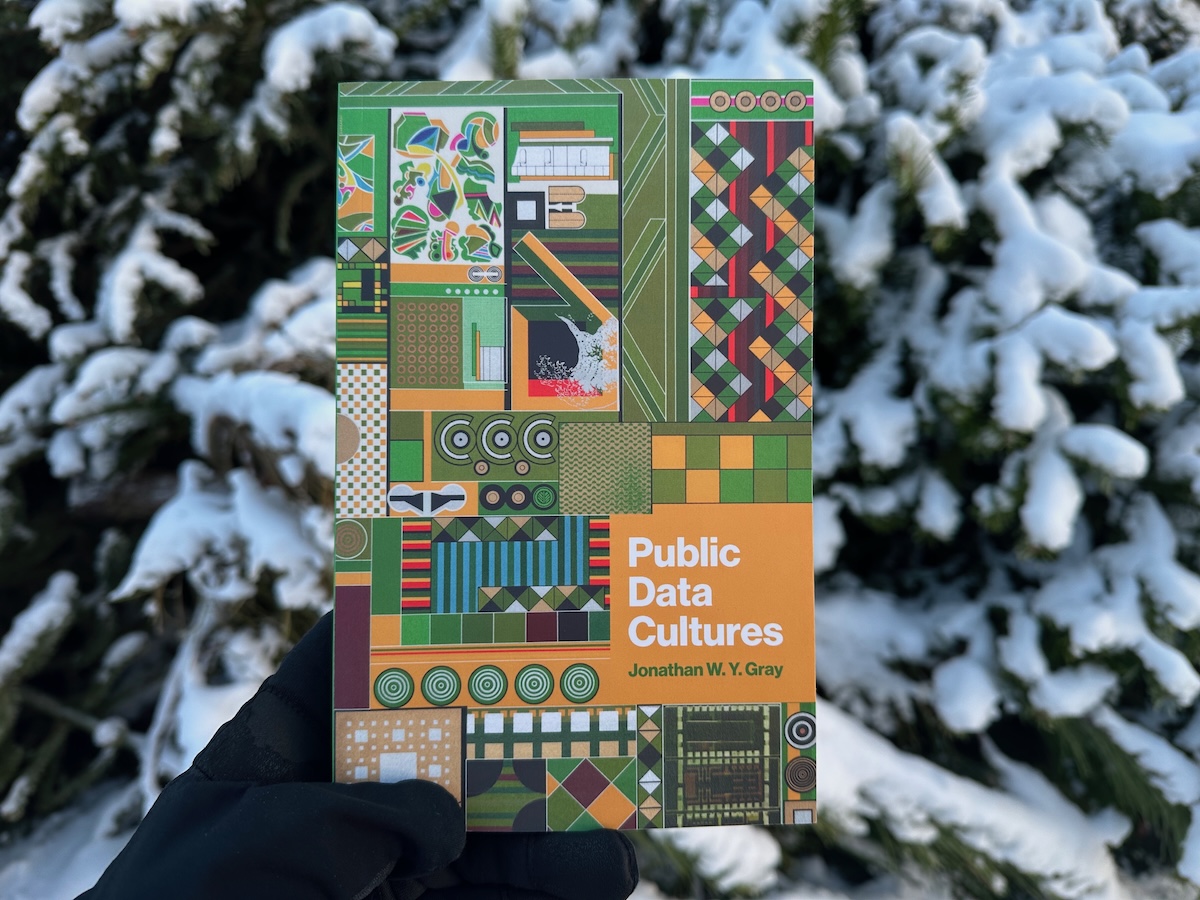
We recently had a book launch for Public Data Cultures at the Digital Methods Winter School and Data Sprint 2026, University of Amsterdam.
This was a special moment as the book started life in Amsterdam, and grew layers through an invitation to join the Digital Methods Initiative as a Research Associate over 12 years ago.
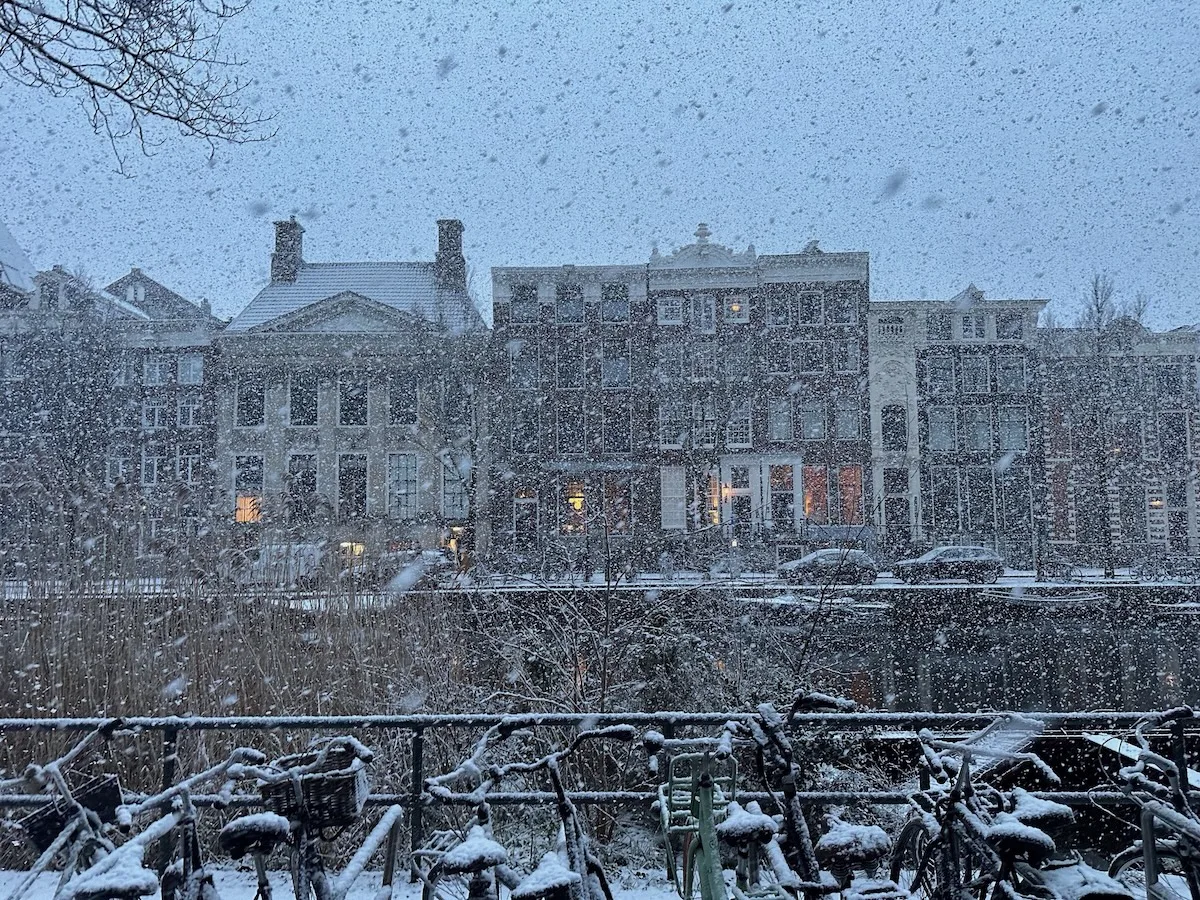
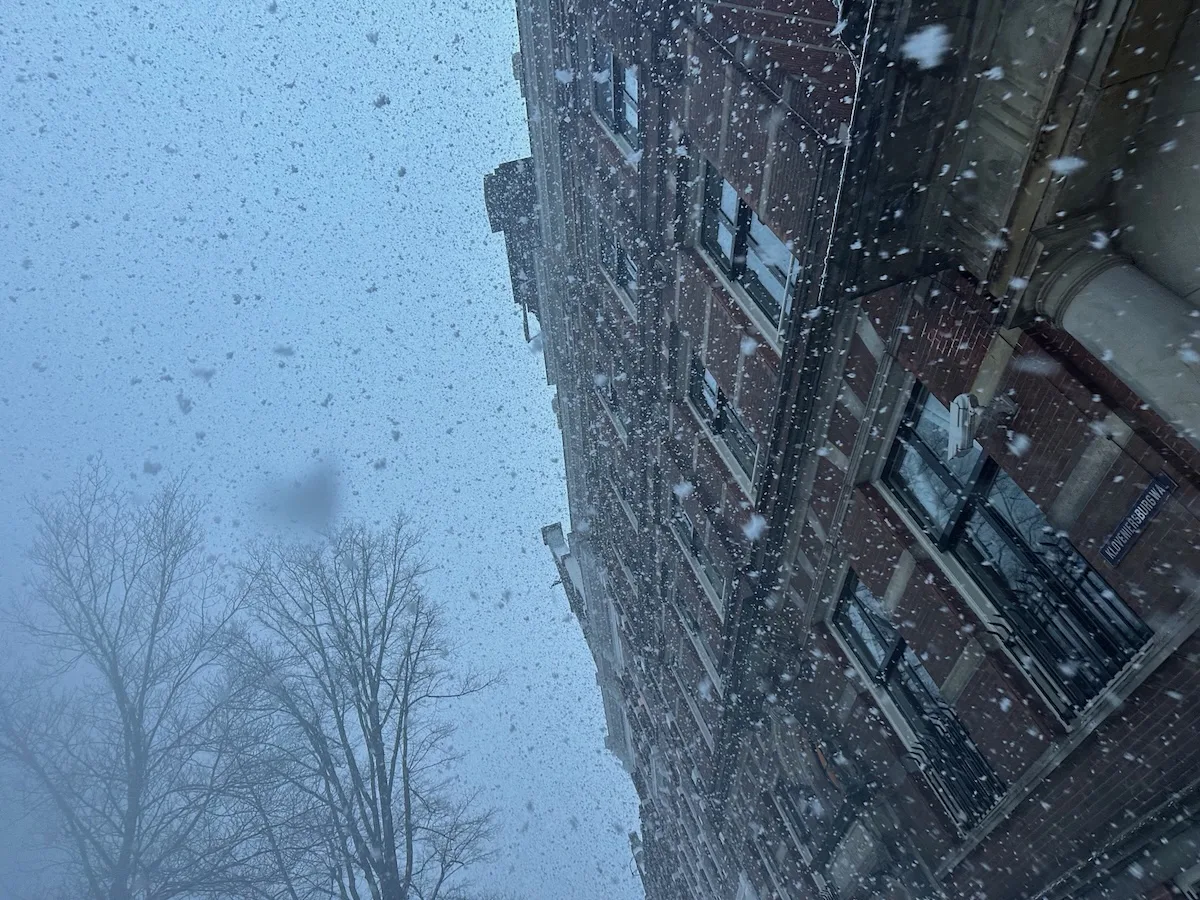
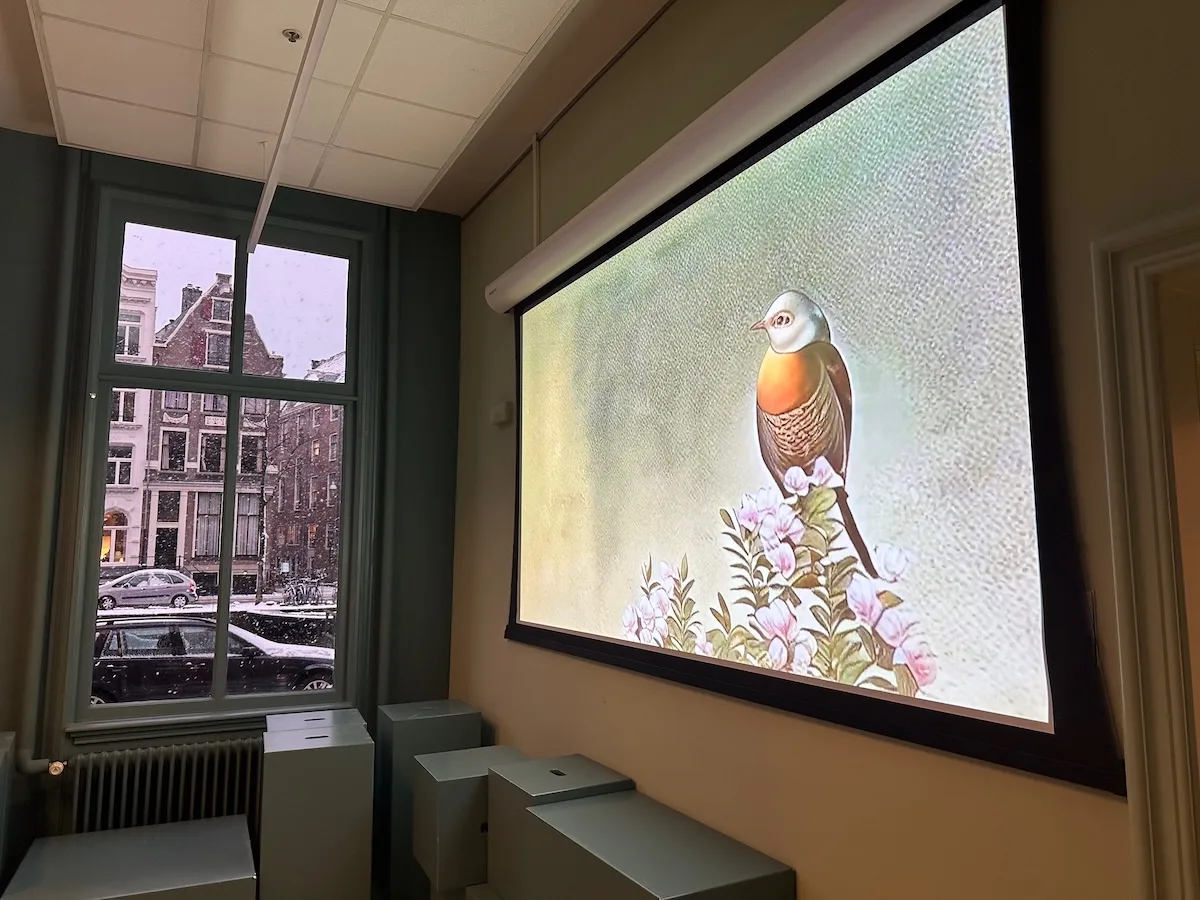
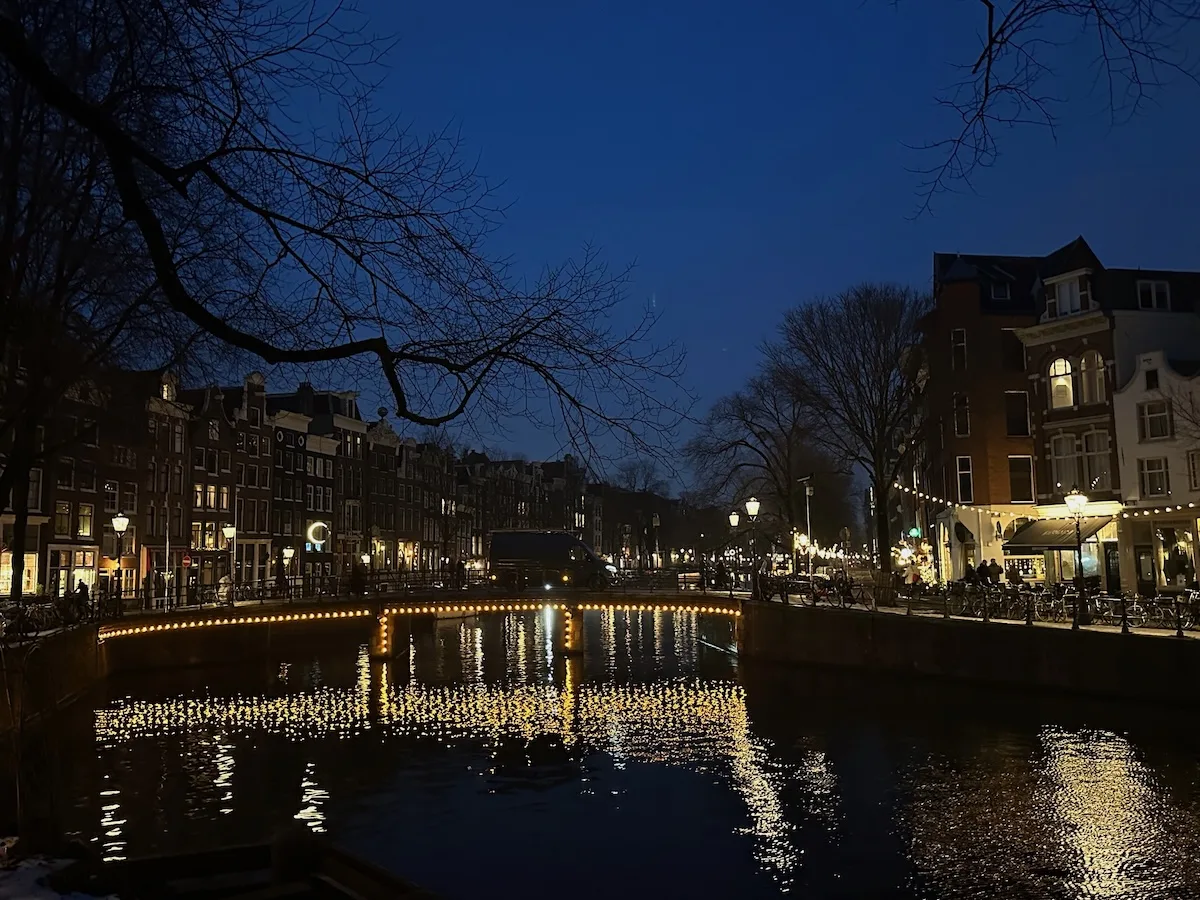
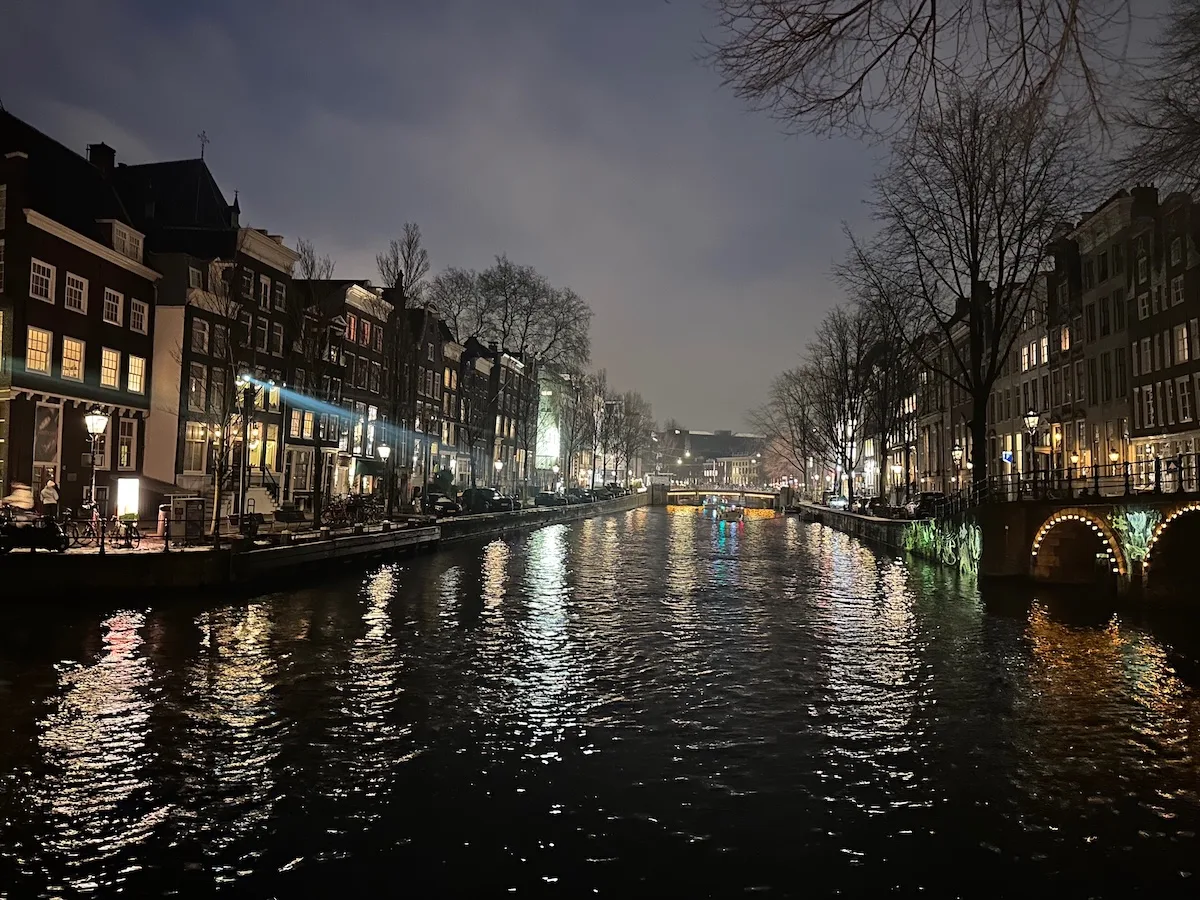
On the first day there was more snow than I have ever seen in the city before. The snow fell heavily - leading to infrastructure chaos, airport campbeds and compilation videos of sliding vehicles and desperate pavement crawling.
The snow gave the week an atmosphere of soft quietness and gentle transformation of the familiar which felt like a good way to start the year.
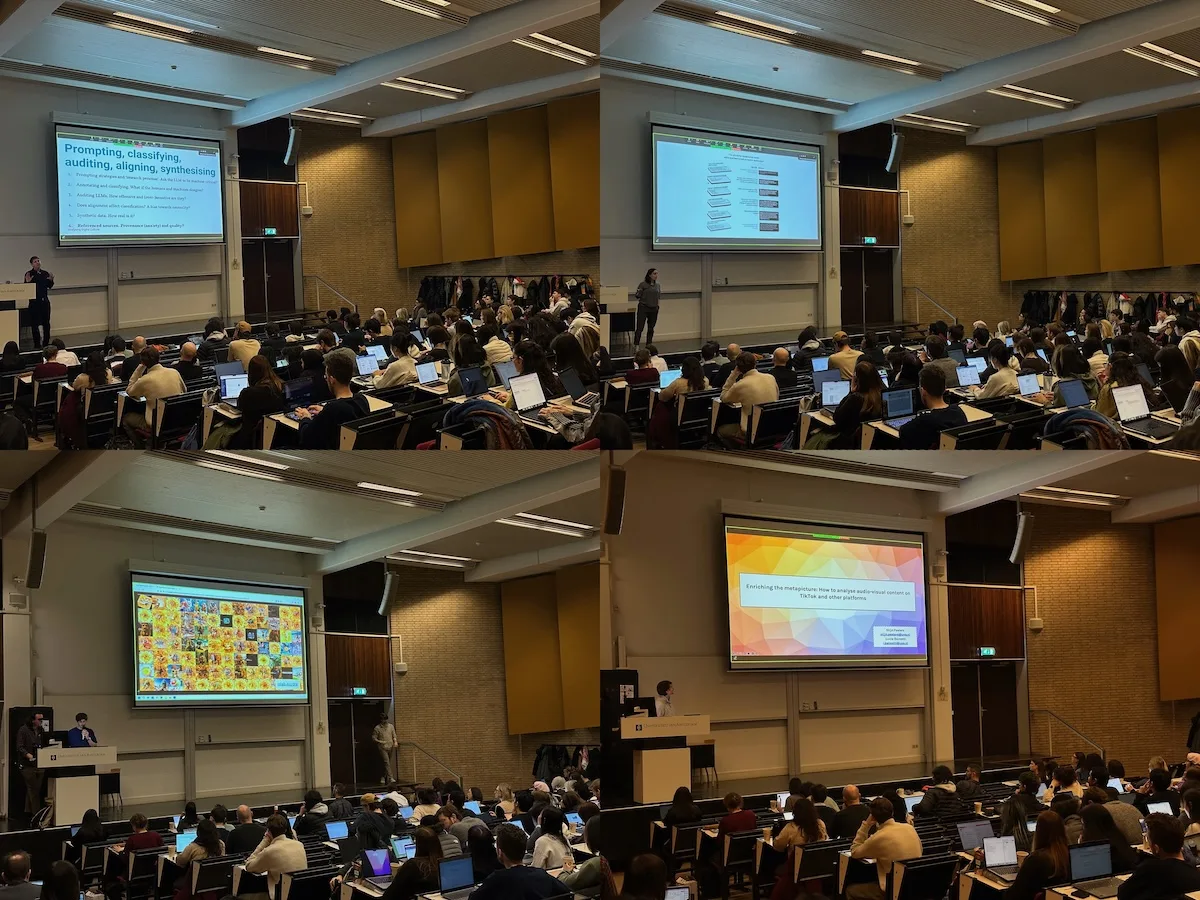
The winter school opened with a talks from:
- Richard Rogers on “prompting, classifying, auditing, aligning, synthesising” as different approaches to research-with-AI critique;
- Emillie de Keulenaar on her research comparing LLM and platform moderation policies and practices;
- Sal Hagen and Daniel de Zeeuw on their research with Tommaso Venturini on “digital rhythmanalysis” and quali-quantitative methods for critically listening to the algorithmic temporalities and affective atmospheres of online platforms;1
- Stijn Peeters on his work with Lucia Bainotti on methods for metapicturing audiovisual material from TikTok and other platforms.
This was followed by a series of tool and method tutorials. I started with Sal’s advanced 4CAT session to hear about recent updates on new audio-visual processors and to get some inspiration for customising our KingsCAT instance.
Then I caught Marloes Geboers’s session which explored methods for drawing on the capacities of platforms as “metadata machines” to study templating, repetition and imitation on TikTok, including through audiovisual composites.
After the tutorials, everyone went to start working on their chosen projects.
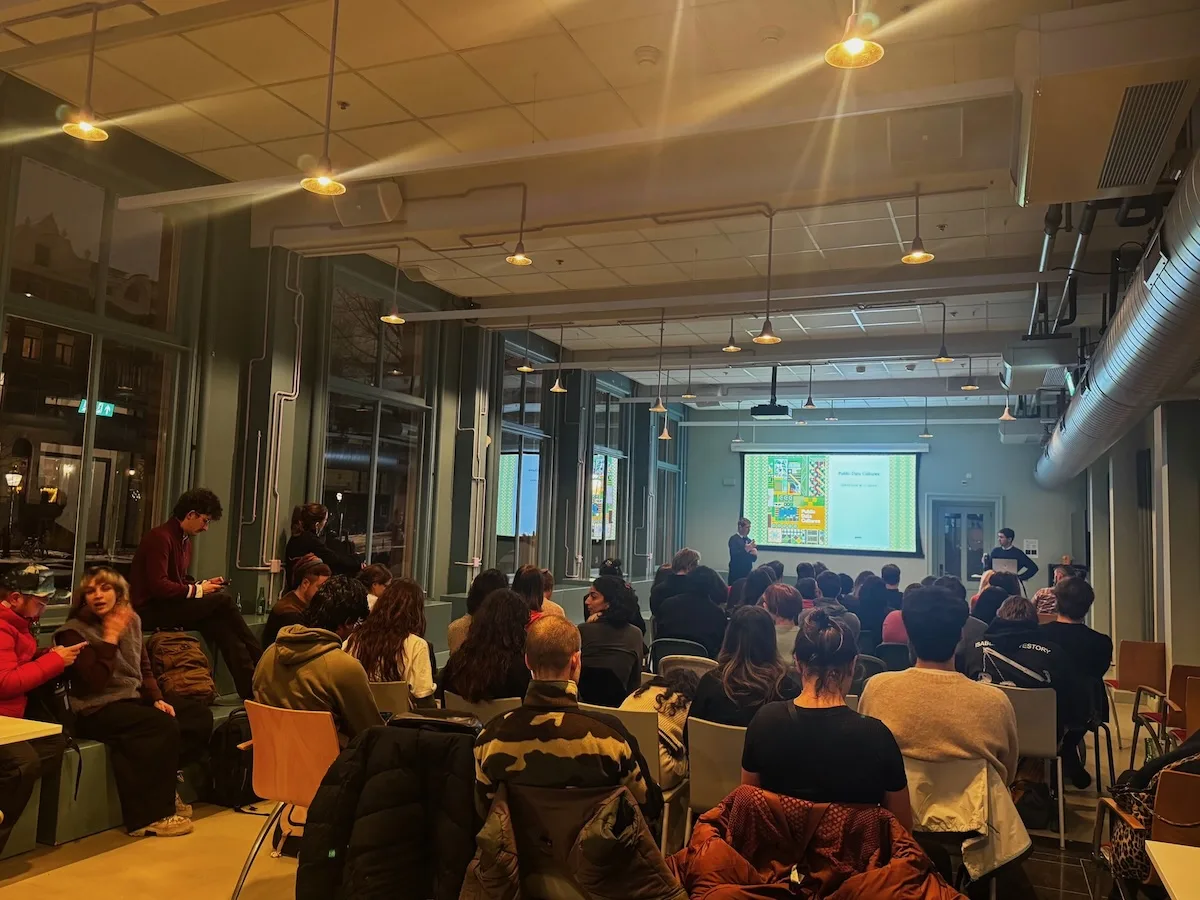
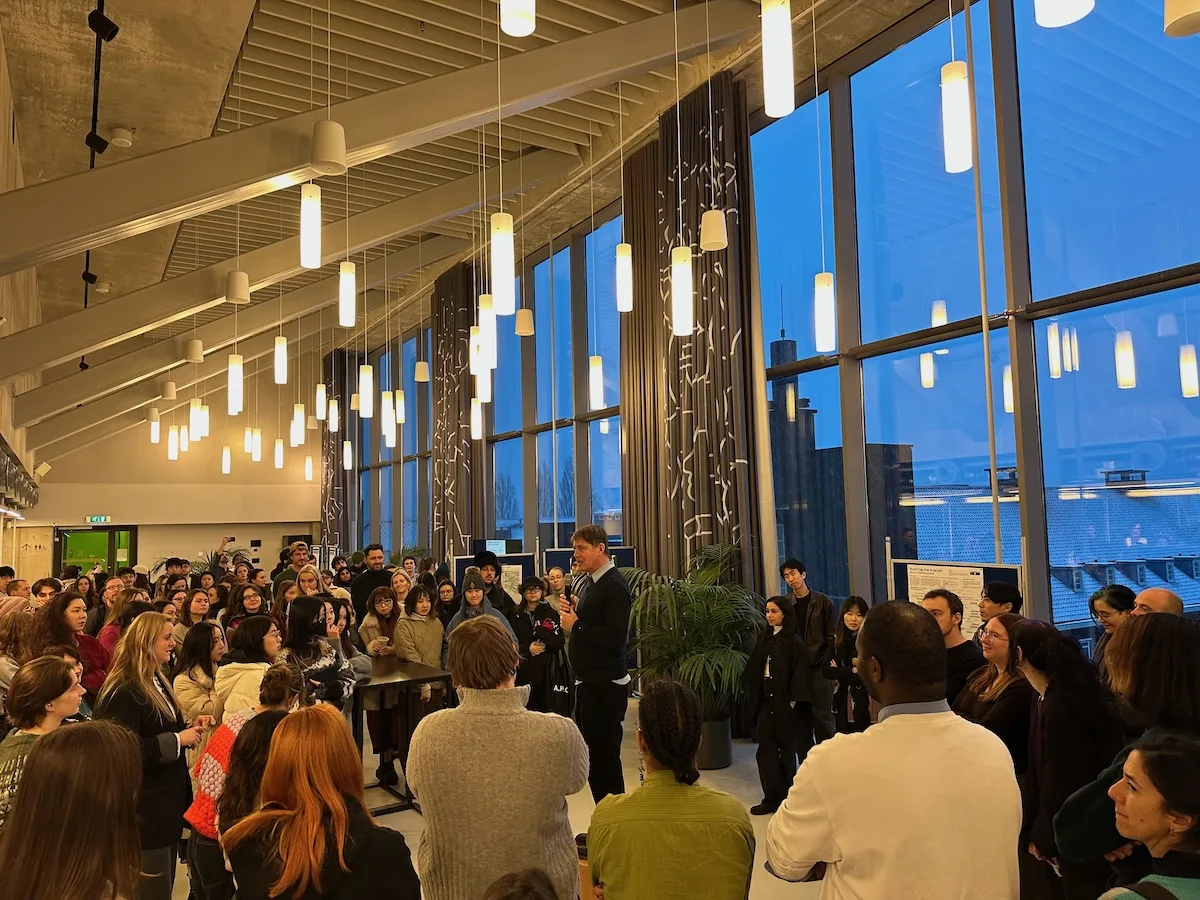
Mid-way through the week we had the book launch, which started with how the book began in Amsterdam.
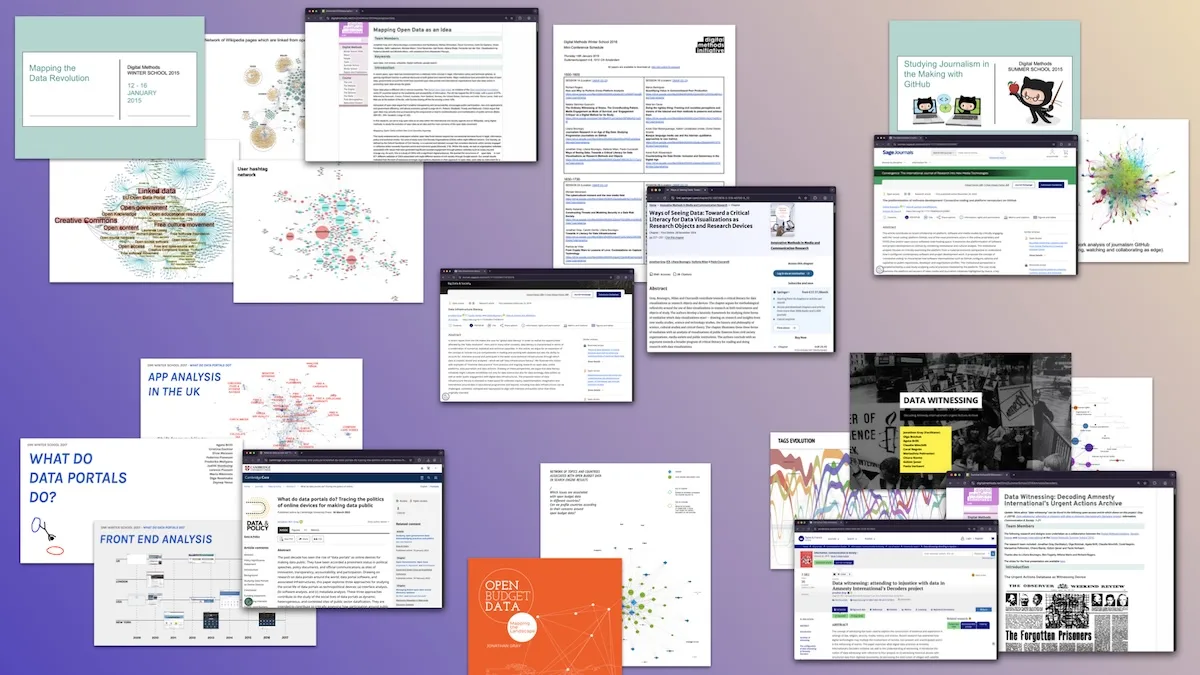
The research community, culture and winter and summer schools here have been an inspiration for the book in many ways over the years, including through:
- collaborative projects studying online politics and practices of public data - from data portals to data witnessing, ways of seeing data to data infrastructure literacy
- studying data projects as online devices and attending to details of their formats and interfaces
- taking data practices both as an area of study and a site of intervention
- developing ways of working with civil society groups, journalists, artists and others
It was meaningful to have this moment to share the book and to thank friends and colleagues in Amsterdam who had helped the book on its journey.
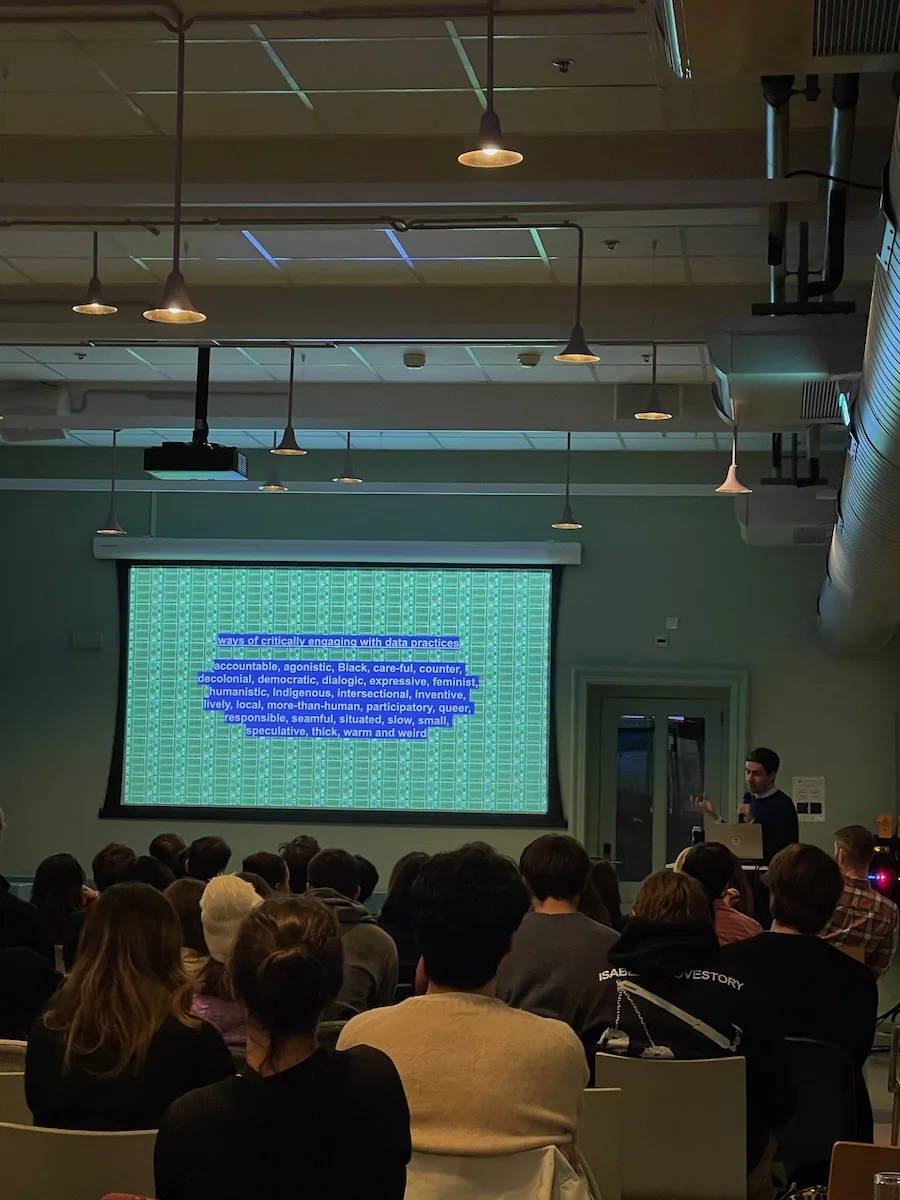
I did a brief walkthrough of the book’s chapters, and read some excerpts. For the critical data practices chapter we looked at a selection of the entries, and looked at some video clips of works by Tega Brain, Sam Lavigne and Maya Livio, which they had kindly let me play.
In a discussion with Richard afterwards we touched on how to approach working with data from social media and AI services in light of associated social and environmental consequences of data centres and platform workers. We spoke about politics and limits of making data public and how to deal with personal data on powerful individuals as well as with leaks.
Questions then turned to public data in the context of generative AI, about favourite datasets and about data on multinational companies and tax havens in the context of colonial histories of the corporate form and other ways of organising transnational relations.
Then we had a borrel with drinks and snacks to celebrate - and there was an impromptu book signing moment. 💌
On Friday afternoon we had the final poster session - where everyone shared what they had been working on.
This year there were projects on (amongst other things):
- POV slopaganda
- synthetic flirt - on digital intimacy with generative AI
- clean eating, toxic politics - on reactionary diets
- cultural geometries of the manosphere
- fake accounts in Finland’s elections
- auditing the analyst - on what LLMs see and miss
- dissecting digital IDs
As always, the closing moment provided a collective sense of relief and accomplishment, and a moment to hang out, celebrate and learn from what everyone had been doing across the projects.
I feel lucky to be part of this research community, and to continue to learn and develop approaches for Internet research amidst ever-evolving platforms, infrastructures, devices and online subcultures.
As with last year, I feel like my curiosity in this area is increasingly drawn to how new media art and creative coding might contribute to ways of knowing digital culture - which I hope to explore further at future schools.
In spite of the snow, I also managed to catch up with friends and colleagues in and around Amsterdam - and at the weekend I saw Shapeshifters at Framer Framed, the Illusion of Thinking at V2_, Fungi: Anarchist Designers (co-curated by Anna Tsing and Feifei Zhou) at Nieuwe Instituut, Sandra Mujinga, Fiona Lutjenhuis, Kevin Osepa, Thierry Oussou and Buhlebezwe Siwani at Stedelijk and FIBER X The Rest is Noise 2026 at Muziekgebouw.
A cosy and inspiring start to 2026. ❄️🌌💜
Thanks very much to Richard for the kind invitation - and to Varvara, Sabine, Carlo and Liliana for all of their help with the setup, book table, drinks and taking pictures at the launch.
-
We were honored to see that the digital rhythmanalysis paper also mentions the work that Liliana and I did on critical and creative redisplay formats for exploring the 2024 Romanian elections on TikTok at the last winter school in 2025 - which in turn drew on forest soundscaping with supercollider and infinite video with the School for Poetic Computation! ✨ ↩