public data cultures at University of Edinburgh
March 30, 2026
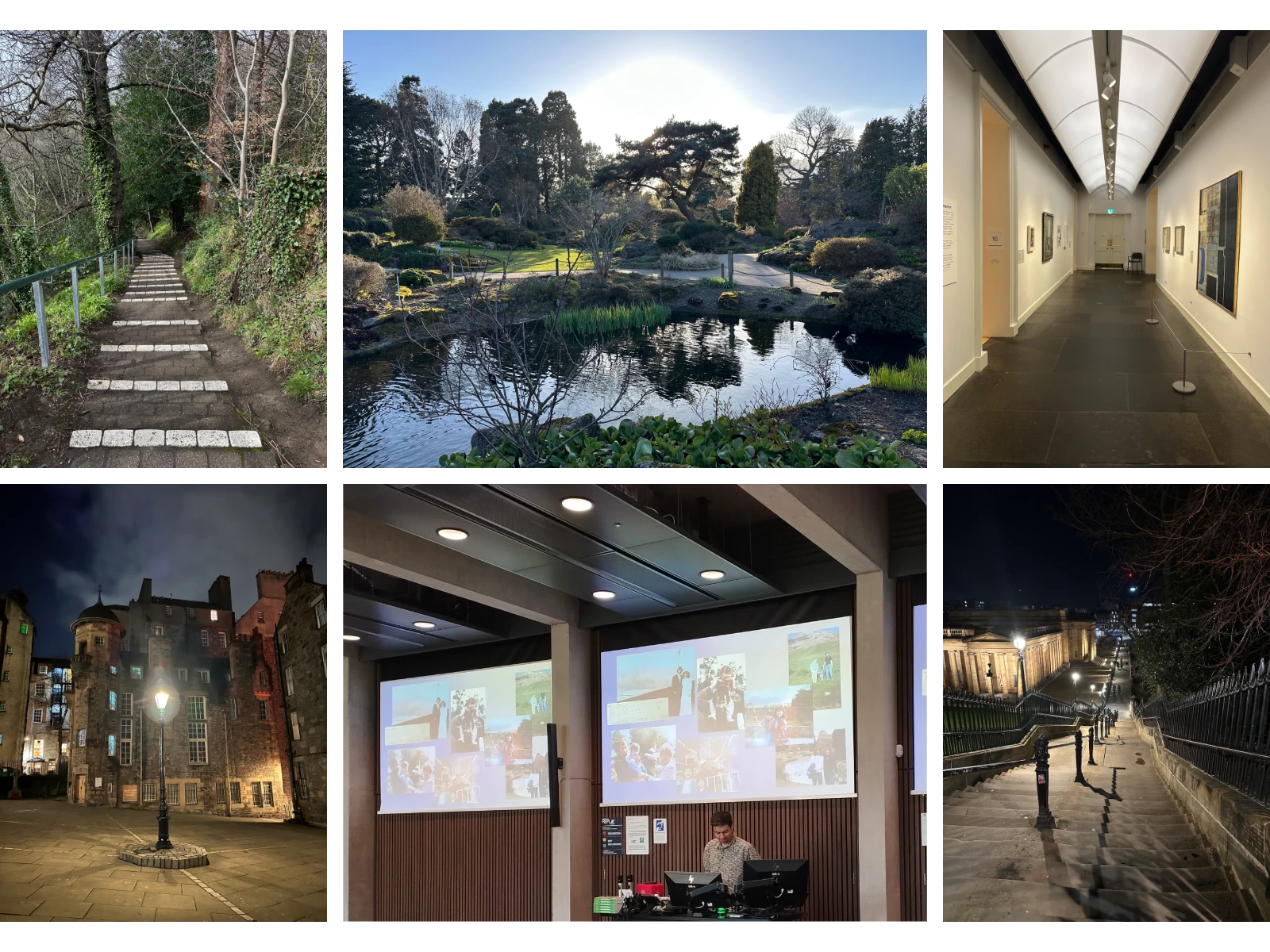
I recently gave a book talk on Public Data Cultures at the University of Edinburgh, co-organised with the Centre for Data, Culture & Society, the Critical Data Studies Cluster and the Edinburgh Futures Institute. Thanks so much to Karen Gregory, Morgan Currie and Alex Taylor for inviting and hosting me! ✨
I’m pretty sure Karen and I first met in person when Liliana Bounegru and I were visiting Columbia University with Bruno Latour in 2014 - looking at how digital journalists and new media researchers could collaborate around methods and open source tools (something we’re continuing to explore with the Public Data Lab and the recently formed Digital Investigations Lab). I think around that time she would have been working on the Digital Sociologies book together with Jessie Daniels, Tressie McMillan Cottom and many others. More recently, I’ve really appreciated following Karen’s work with the Workers’ Observatory and her research on digital worker inquiry.
I think I first found out about Morgan and her work through mutual friends at the University of Amsterdam from when she was studying there in the early 2010s. I remember her digital methods research studying edits to the “feminism” article on Wikipedia, before she went to do her PhD on open data in LA. Over the years we’ve kept in touch and have been on panels on data worlds and data activism - where I’ve shared earlier versions of material that went into the book, including the chapter on “missing data and making data” and research on data witnessing. Morgan’s work has been an ongoing source of inspiration and is cited throughout the book - including her article on “data as performance” and her collaborations with Roderic Crooks, which I wrote about in sections on “agonistic data” and “counter-data” in the critical data practices chapter.
I’ve been following Alex’s work for many years - across papers, artefacts, events and social media - from presentations on participatory approaches to making with data at Data Publics in Lancaster to his writing with Daniela Rosner on Anni Albers’s accounts of weaving and feminist precarity, to his collaborations on AI in the street with Noortje Marres, Maya Indira Ganesh Rachel Coldicutt, Dominique Barron, Thao Phan, Gobbo Beatrice and many others. We had a nice moment catching up in Lancaster last year where I learned more about his work on data annotation work in Manila, as well as hearing more about his life and work over the years.
It was great to share this moment with them and other colleagues from Edinburgh. After a walkthrough and some readings from the book, we spoke about (amongst other things):
- different conceptions of public and publics
- the research process and some of the collaborations around the book
- colonial histories of the corporate form
- data and community organising
- East and Southeast Asian mobilisations during the pandemic
- data and neoliberal evaluation in the public sector
- lists and feminist catalogues
- situating and pluralising data
- data, colonialism and international development
- civic tech, data and participation
- commoning, uncommining and the pluriverse
- hope, failure, optimism, trouble, exhaustion and care in relation to research, organising and technology in society
- artistic engagements with data as cultural material - including with communities such as the School for Poetic Computation
Then we went out for drinks. It was good to have a moment to catch up and chat with researchers and students from Edinburgh, as well as external guests who had joined for the talk.
It meant a lot to have this moment to share the book in Edinburgh. Before and after the talk I had some time to walk around and explore the city. I caught Ilana Halperin’s show at the Fruitmarket Gallery, Surrealism: Picturing the Strange at the Modern Art Gallery, and Earth Matters at Inverleith House Gallery.

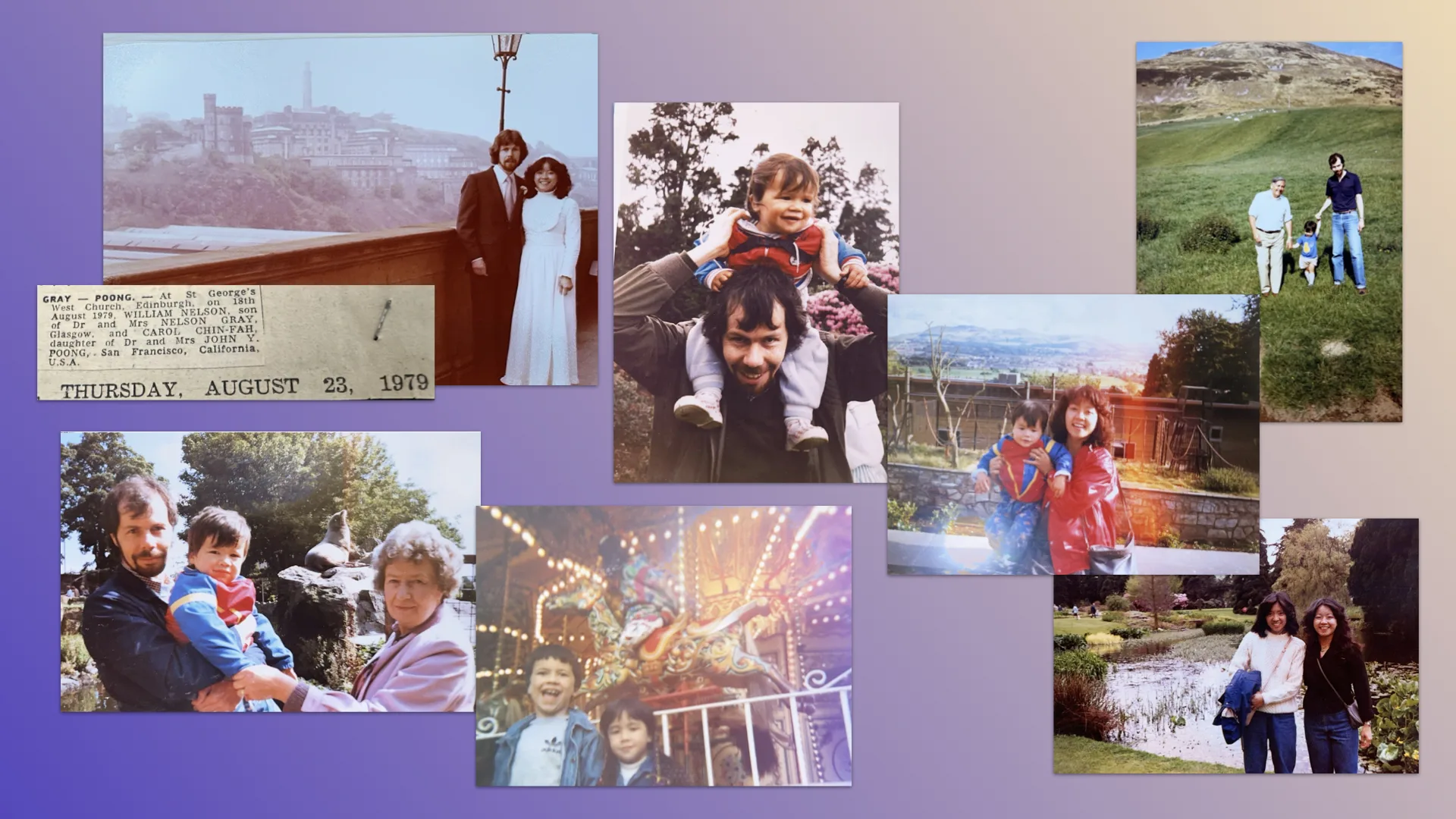
My dad’s parents met on the meadows when they were kids. They later moved to Glasgow where my dad grew up, but came back to Edinburgh when they were older. My dad got his PhD from the University of Edinburgh in 1975. My mum later moved there from San Francisco, and they got married in the same place as my grandparents.
My sister and I used to go and visit our grandparents there regularly when we were kids - and have many good memories of wandering around, playing and being absorbed in the botanical gardens, museums, galleries, squares, second hand bookshops, parks and passageways.
My bio picture is a picture taken on one of our favourite walks along the Water of Leith, by the bridge that takes you up stairs to the modern art gallery (my sister and I used to play poohsticks on this bridge - watching sticks moving through the water).
The cover of Public Data Cultures is a piece by Eduardo Paolozzi, whose work engages with cultures of computation and mass media through collage, bricolage and sculpture. He did many public artworks, including the mosaics throughout Tottenham Court Road station in London. Paolozzi grew up in Edinburgh and I grew to love his work through visits to the modern art gallery as a kid.
All of this is to say that it meant a lot to be back in this city where the walls feel thick with memories and where many places still elicit both vivid colourfulness and playfulness as well as a sense of loss of the lifeworlds of those who have left.