Chia Amisola's Internet Ambient
January 24, 2026
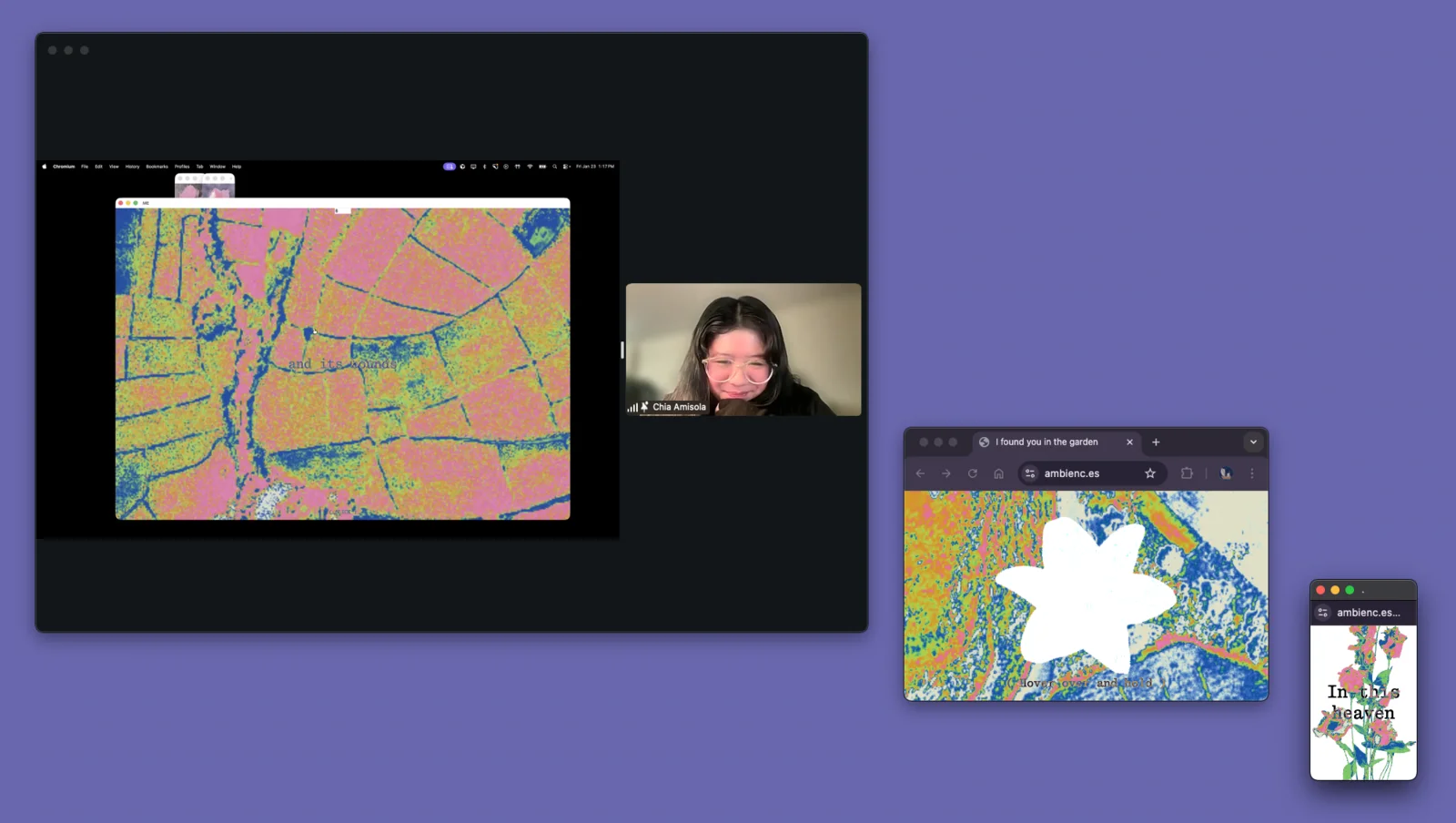
Last week I joined an interactive online performance lecture on “Internet ambient” by Chia Amisola. This was part of a series by the working group If, Then: Technology and Poetics.
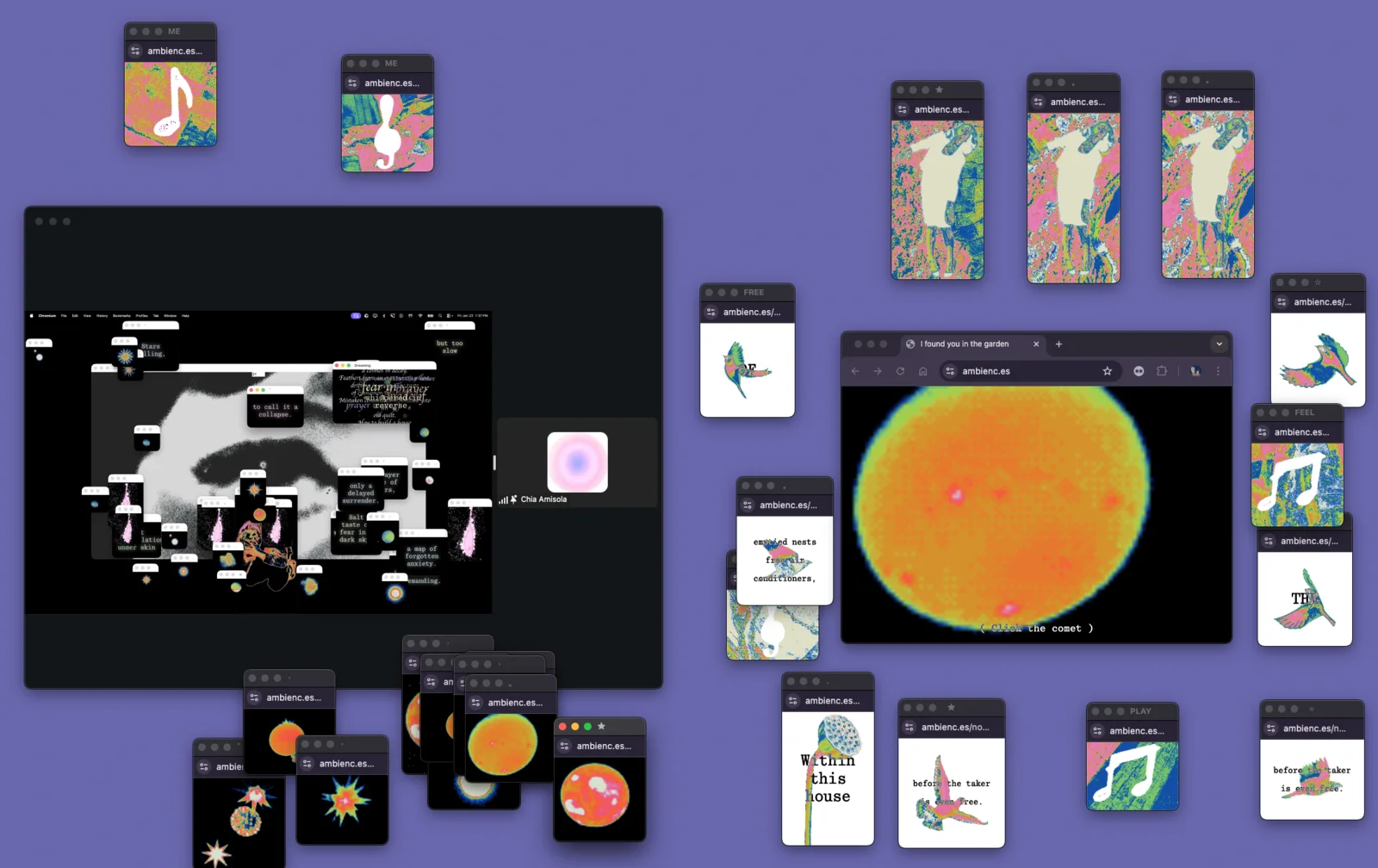
The performance was the first time Chia was experimenting with a new format which combined sharing their screen alongside synchronised browser windows on the screens of those of us watching. An opening window read “we will move together”. This was followed by one window titled “YOU” and another window titled “ME” - with the following sequences blurring this clear address.
Through a choreography of pop-up windows dancing between our screens, Chia walked through a selection of their recent works, accompanied by granular synth music, field recordings and a dream-like voiceover narrative.
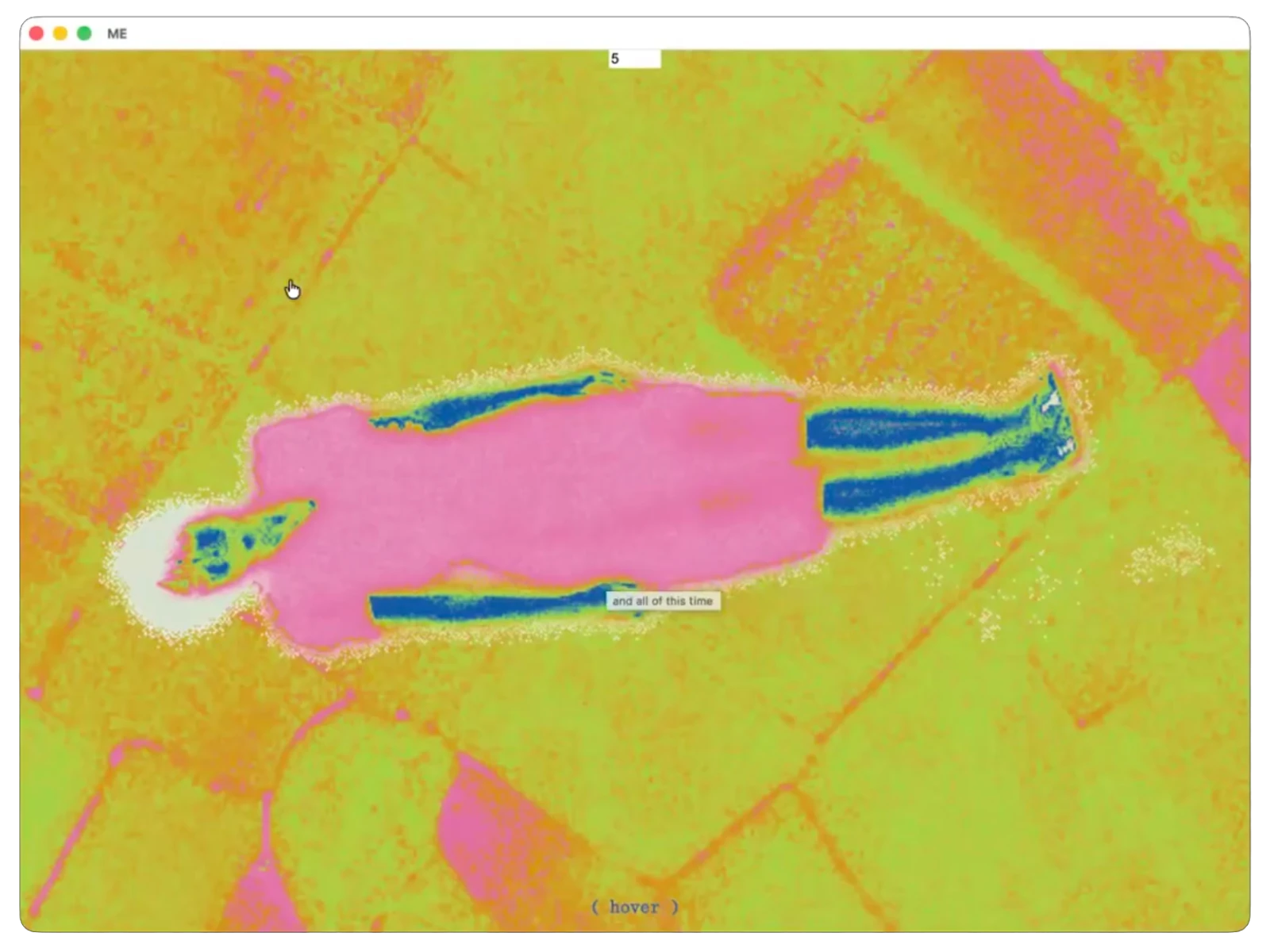
The performance started with a bright pink and yellow pixelated image of a figure lying down, while Chia read out hover-over text on the legibility of thoughts, sharing stories through our bodies and poems that might never see the light of day.
We then moved on to “growing gardens at the margins of the web” in the Philippines, and the web as a medium of articulation where “nothing needs tending” and “everything was overgrown”.
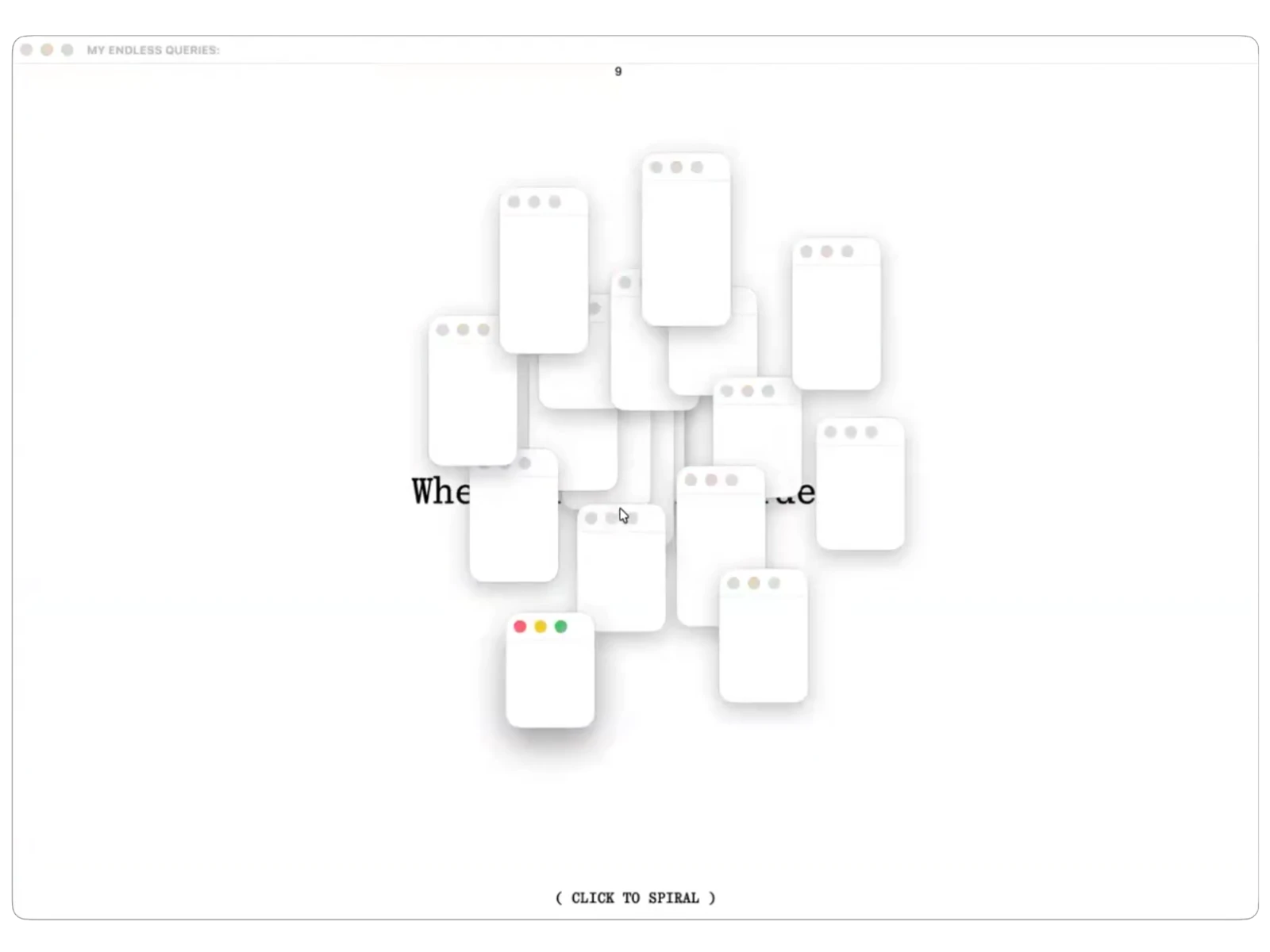
The narrative turned to questions of the possibilities, limits and features of the web - with a cascade of spiralling empty windows: How does it separate us? What is now possible? What do I keep from you? Who guards it? What does it disable? Where does it border? What does it enclose? The empty windows are filled with pixelated images of flowers which converge, blur and vanish.
Next we went to here, flower picking, manila north, which began with a poem told by a moth:
A flower is not a flower.
It is made only of non-flower elements
sunshine, clouds, time, space,
earth, minerals, gardeners, and so on.
A true flower contains the whole universe.
If we return any one of these non-flower elements to its source
there will be no flower.
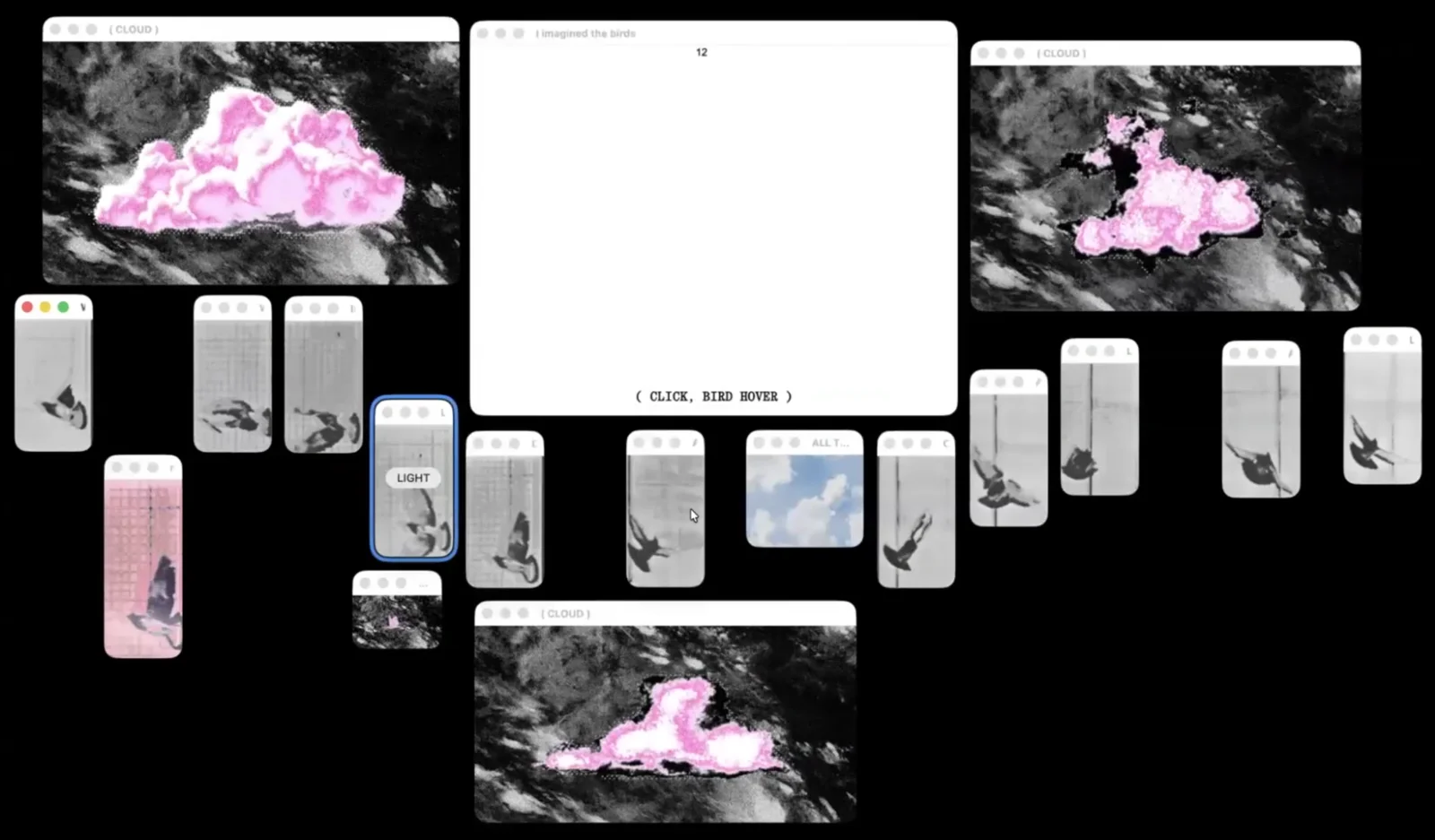
We moved from clouds to birds, with “all the birds with one stone”. A cascade of pop-ups showed birds with wings in different moments of motion, overlaid with hover-over text.
We continued into a segment of Parade/March After the Flood with piano playing, dancing figures and rotating fragments of text.
This transitioned into Dreaming in which “machines compile nature, contemplate AGI, and become mystic”.
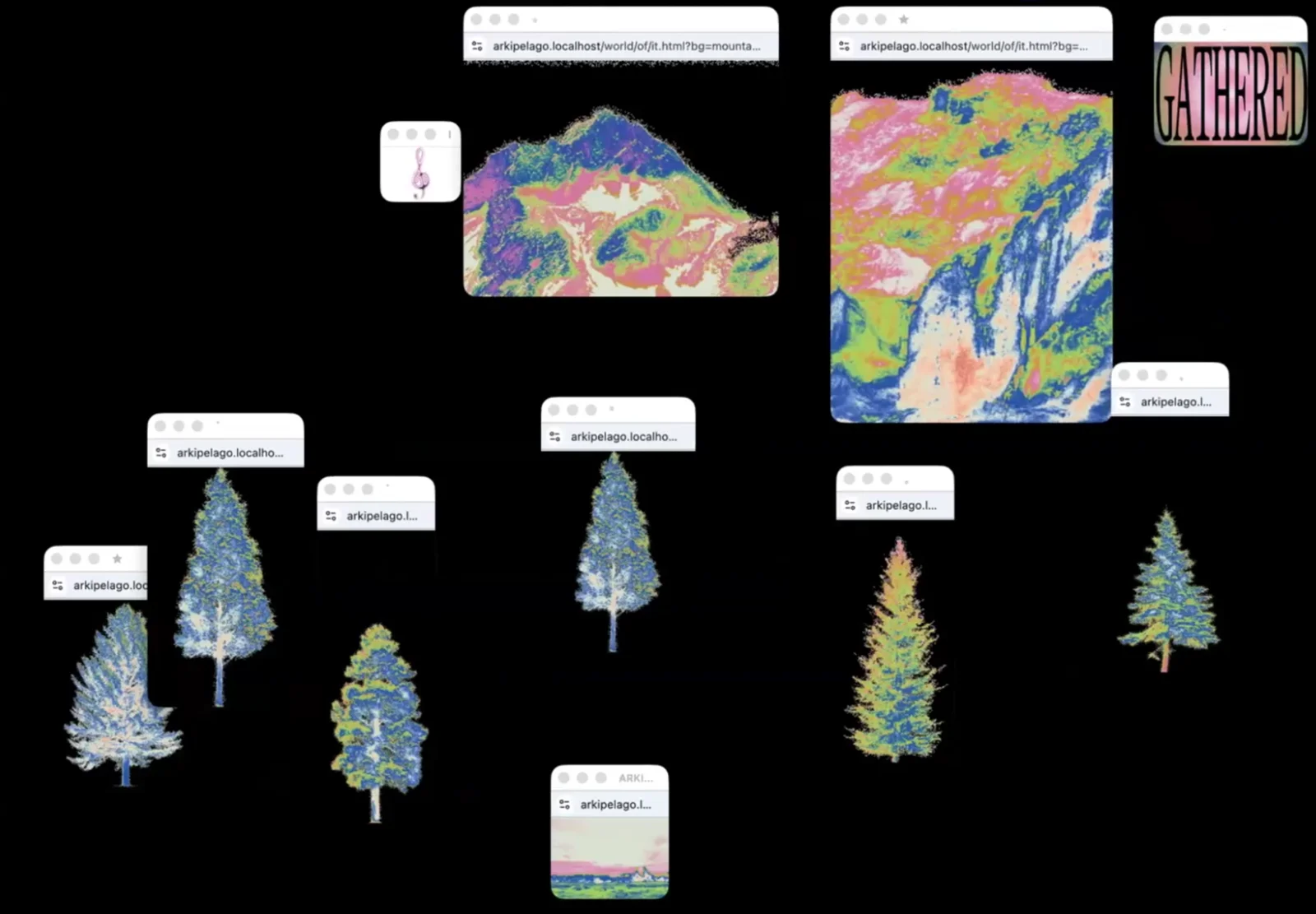
Finally, we looked at parts of Arkipelago, one of Chia’s most recent works which explores creation mythologies of the Philippines. In this piece:
Assets appropriated and modified from satellite imagery, Google StreetView, forums, and marketplace sites are renewed into small vignettes of life and movement. Recorded and re-composited directly from the artist’s desktop, the act of ‘creation’ shifts from mere execution to the programmer’s active, constant performance, continuously renewing the world on the desktop.
Afterwards we had a discussion about Internet ambient and Chia’s practice - including how they push at the defaults of how websites work and what machines do. While websites often aim to extract attention and invisibilise labour, Chia’s work explores how to redistribute agency and find other ways of relating through the web.
This redistribution of agency was also part of the performance: creating space for interactions between pieces of her work and letting them spill out beyond browsers and tabs. They spoke about ways of enabling some of the windows, characters and elements of their work to “move without my doing” - or whether the point is that, despite these intentions, they “only move with my beckoning”.
I can’t remember how I first found out about Chia’s work. Perhaps it was reading their blog post on the poetic web. It might have been through friends at the School for Poetic Computation (SFPC) or through their are.na channel.
In any case, I remember seeing their screen walk with the Photographers’ Gallery in 2023. And then their guest lecture at SFPC’s HTTPoetics in 2024.
At the SFPC session, I remember Chia’s account of being extremely online and making websites, archives and games while growing up in the Philippines. How the web felt like a “means of liberation” - with fan sites and early Internet communities.
Chia’s early websites - which can be found in this personal index (they joked they had a “domain hoarding problem”) - felt like ways to “process who I am” and to “mould myself into the person I wanted to become”. These websites served as a kind of survival mechanism.
Through their notion of the “Internet ambient” they sought to probe the Internet’s “ecologies, defaults, opacities and territories” - considering “who shapes the environment of the Internet”, “the Internet as a place of gathering” and “what are intimacies that we ignore that we could reclaim”.
Making websites was a way to gather loved ones amidst lives of displacement and moving around. They could be intimate, expressions of love, modes of resistance and acts of communal preservation.
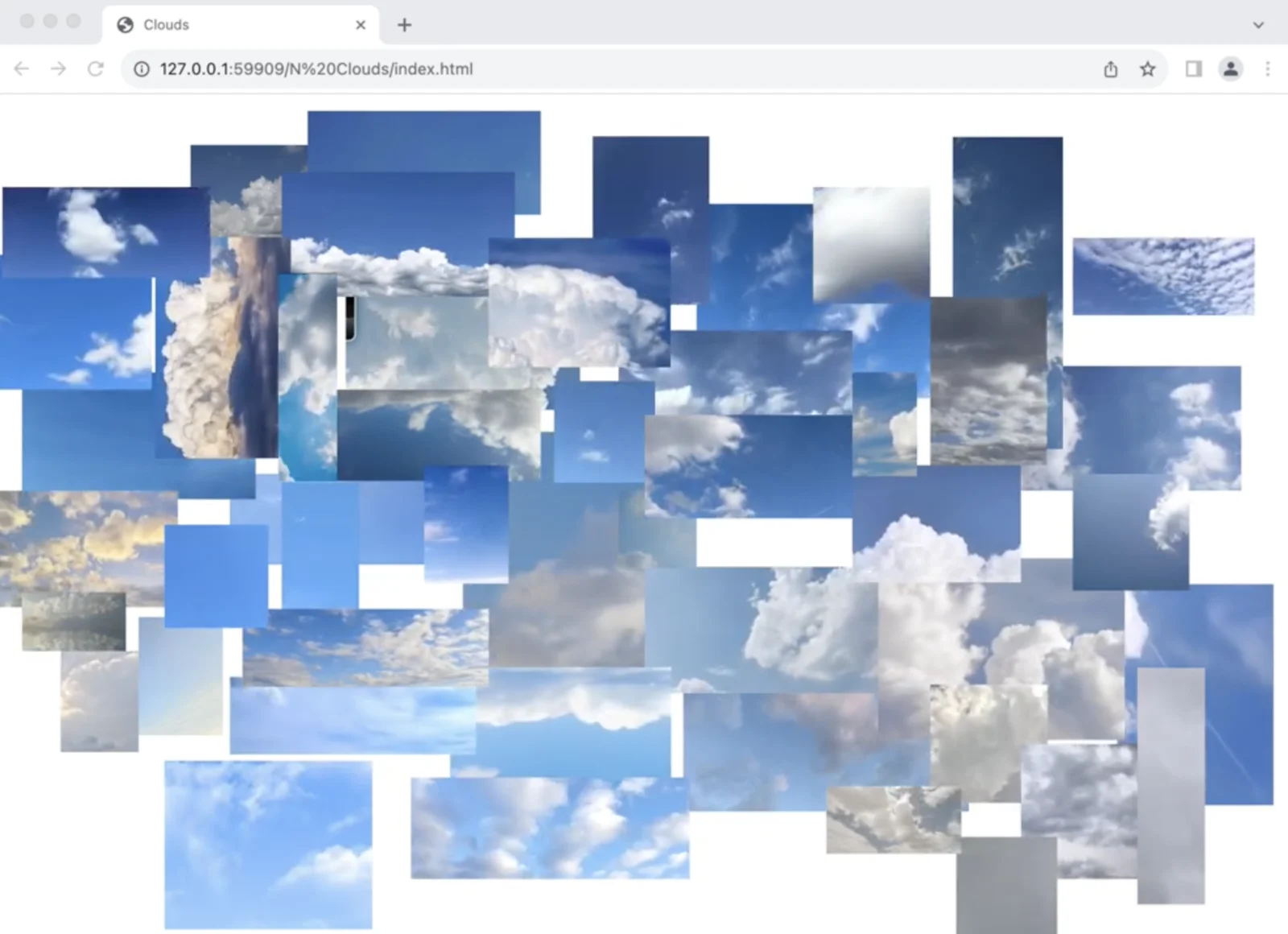
Chia’s earlier works sought to both surface the default mechanics of the web and to make them visible. For example, ifyouknewmewouldyoulove.me used prompts, columns and sliders to index what is loved. whenwe.love/forms explored the interface elements of forms to probe bureaucracy and repetition, alluding to immigration processes. A series of works used YouTube video embeds to create video collages of clouds and fishes.
As well as making personal sites, Chia’s work with Developh explored community archiving and making space for collectively documenting Filipino Internet culture.
Later I saw Chia speaking at DEMO2024 on the ILOVEYOU virus, the Internet as a medium of being loved and seen and the “third world online”. They described their commitment to the “third world Internet” and its “loss, love, labor, and liberation”.
They presented Kakakompyuter Mo Yan! (“that’s what you get for using the computer!”) - an anthology of websites and Internet art from the Philippines. Presented as a “never-ending karaoke party” it includes songs on falling in love with a beeper operator, poetry found in the black market of abortion forums, love letters assembled by grandparents, Internet cafe games, migrant workers powering data centres, content moderation and more.
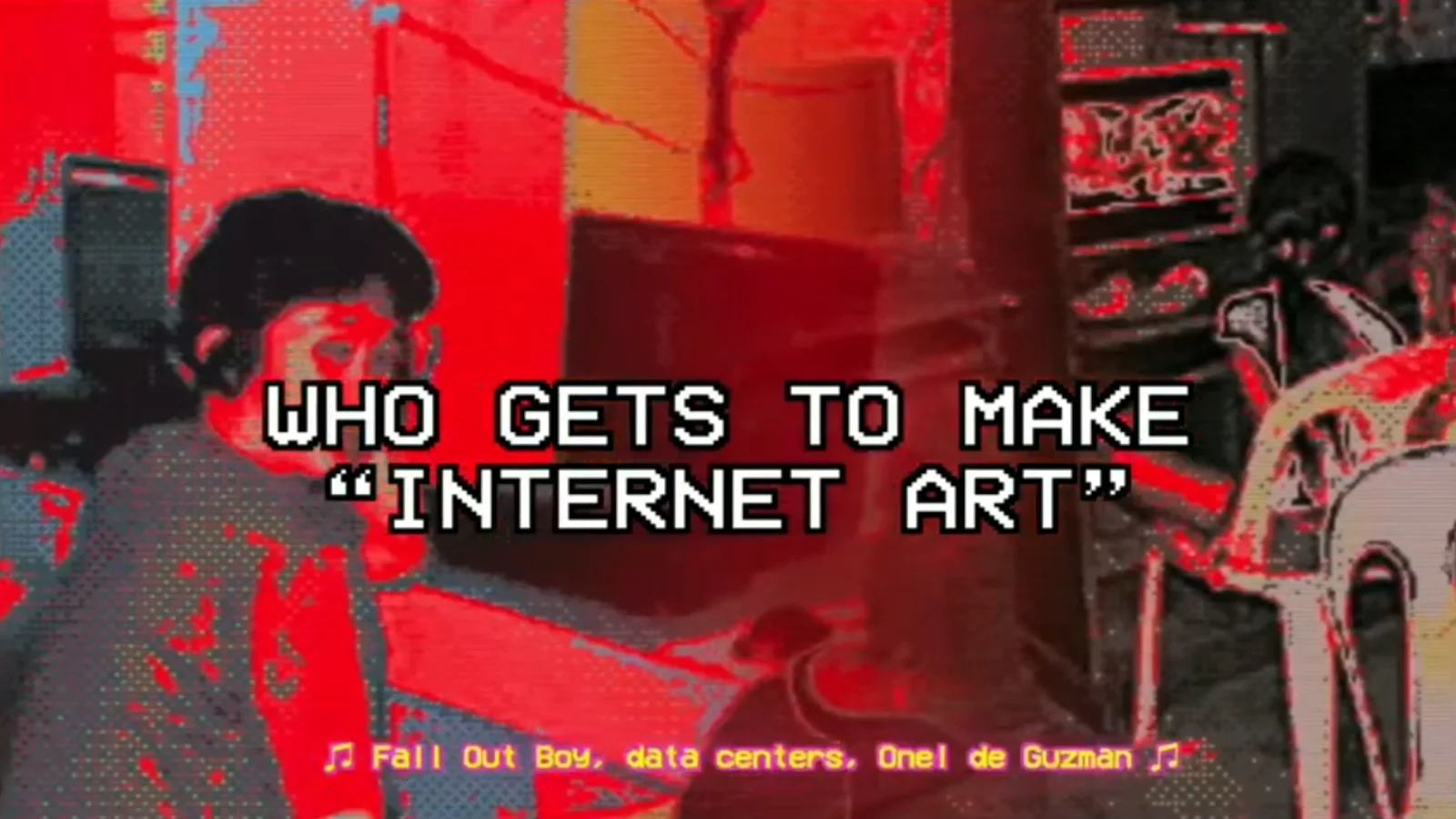
Chia ended the talk by asking “who gets to make Internet art?”. While “the third world carries the internet” it is socially and culturally under-represented online. They spoke about the potential of resisting its militant and imperialist underpinnings and reclaiming it for other kind of uses. They hoped to expand this work across Southeast Asia and the Global South - to preserve and publish on the vulnerabilities and struggles of these Internets.
“This is my Internet, my nation, my people, my love” – they concluded. “This is what I get for using the computer.”
Last year I saw a performance of Chia’s Dreaming at a Tate Britain x HERVISIONS late on digital intimacies - but unfortunately they weren’t able to join in person.
I’m looking forward to seeing their Every Love Song in the World at transmediale in Berlin next week:
Chia Amisola’s lecture performance Every Love Song in the World traces, in personal, captured, and imagined vignettes, the intimacies of infrastructures: pisonets, call centers, My Way, League of Legends Garena, ethical hackers, data annotation, 8chan, content moderation, ILOVEYOU viruses, POGOs, virtual assistants, e-dating forums, women’s blogs. Through archival material, simulation, and websites, the performance maps Filipino bodies as interfaces that mediate and condition the cruelty, desire, and love circulating through networks.
Spending more time with Chia’s work comes at the perfect time for me - as I’m in the first month of my research leave, as part of which I’m exploring intersections between Internet art and Internet research.
I look forward to seeing how these projects on the Internet ambient and third world Internet continue to unfold.
More about Chia Amisola’s work
- chia.design
- everythingi.love
- Chia’s YouTube channel
- Chia’s poetic web are.na channel
- There is an Internet that is mine essay (2022)
- Screen Walk with Chia Amisola at Photographers’ Gallery (2023)
- Why aren’t there more websites about love? interview (2023)
- Interview on embodying the browser with Meg Miller in Bomb Magazine (2024)
- Tropical Technologist essay (2025)
- Becoming Hypertext and Bookmarklets - materials from Chia’s session with School for Poetic Computation (2025)
- video of “Internet Ambient” performance with If, Then: Technology and Poetics (2026)