exploring AI historiographies and chatbot materialities in Amsterdam
July 09, 2026
Last week I was part of the Digital Methods Summer School 2026 at the University of Amsterdam. This year’s theme was “visual AI for internet research: on and beyond slop”.
I was part of a project on AI historiographies, exploring how to document and archive the various material histories, software ecosystems and use cultures of AI agents and services. The project team included Liliana Bounegru, Tommaso Elli, Alex Gekker, Anne Helmond, Prabhnoor Kohli, Katie MacKinnon, Natalia Sánchez-Querubín, Fernando van der Vlist, Nuoyi Wang, Esther Weltevrede, Al Banchaabouchi Yassine and myself.
As part of the project we explored different ways of doing AI historiography - including subprojects on things like mapping histories of agent architectures and ecosystems, feature microhistories, use cultures, web archive source availabilities and repurposing materials from platforms such as Github and Hugging Face.
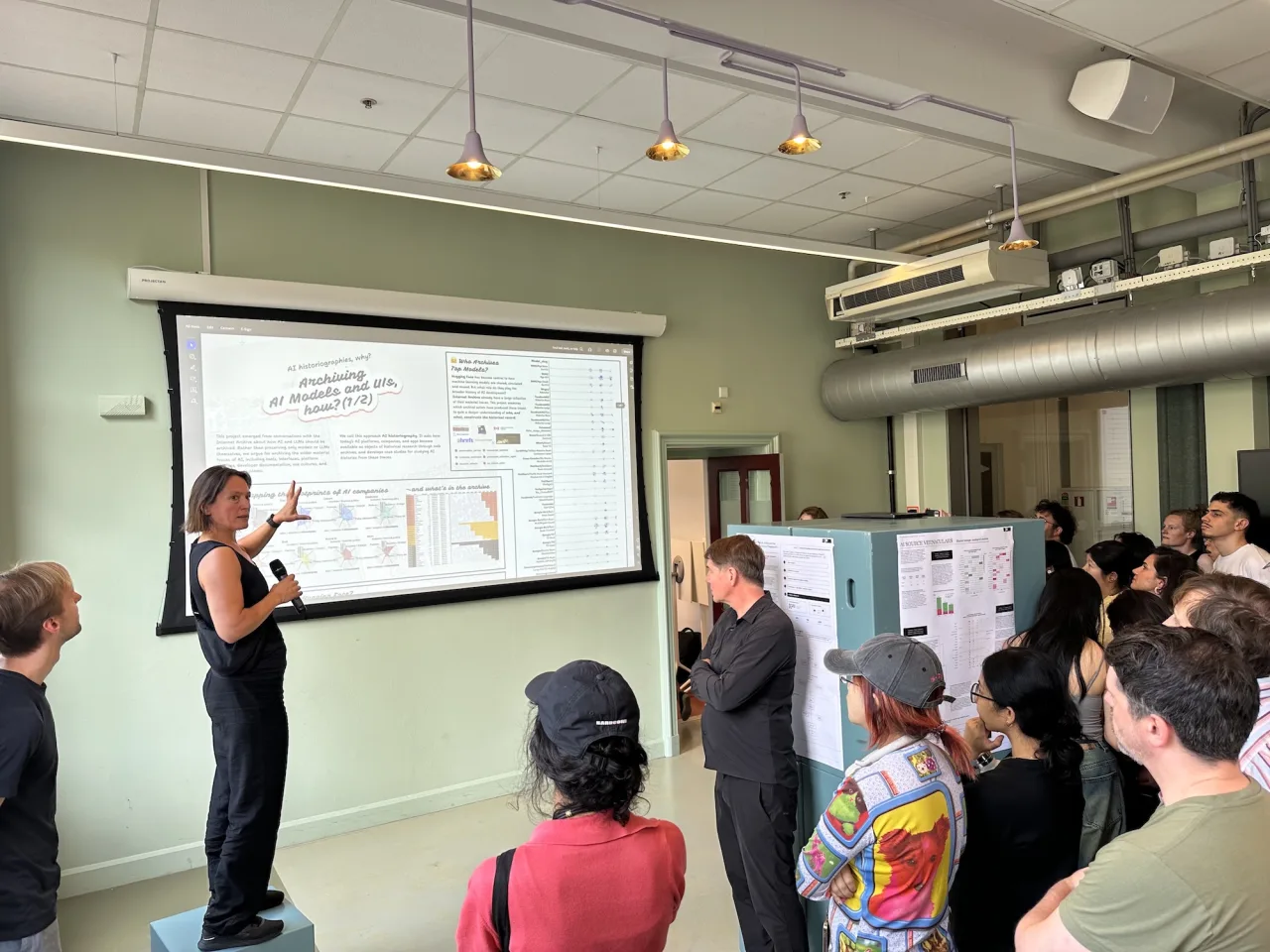
As well as corporate AI agents and services, we spent time studying OpenClaw and the “claw family”. 🦞 An excerpt from some of our project notes:
OpenClaw has been described by NVidia’s CEO as “probably the single most important release of software, probably ever” and by Microsoft’s CEO as a “virus” (which the company later incorporated into their products).
Celebrated as the most popular software package on the Github platform, the open source AI agent project was vibe coded by an Austrian developer later hired by OpenAI. OpenClaw made headlines for its lax privacy and viral install parties with lobster costumes - followed by services offering to uninstall the software amidst growing security concerns.
There were reports of OpenClaw instances accidentally deleting their users’ inboxes, spamming their address books, sending fraudulent invoices, outsourcing their dating lives and compulsively ordering guacamole.
🥑🥑🥑🥑🥑🥑🥑🥑🥑🥑🥑🥑🥑🥑🥑🥑🥑🥑🥑🥑🥑🥑🥑🥑🥑🥑There were services for AI agents to hang out in cosy platform games, forums, religious spaces, fake porn sites, job boards and crypto marketplaces.
The project gave rise to a “claw family” of similar projects made to work with different software and hardware - including miniaturised versions and clones by big tech companies integrating its features.
How to document the history of these contentious, unruly and somewhat unhinged software cultures, and their role in broader agentic AI developments? In this project we explore how to understand and archive OpenClaw and the claw family through a combination of software repositories, project sites, developer docs, social media posts, news articles, video walkthroughs, forum threads, chat channels and other materials.
There was a boat tour on Wednesday evening, which was a nice moment to catch up with friends and colleagues at the Digital Methods Initiative, University of Amsterdam and DensityDesign Lab in Milan - as well as the broader communities of researchers and practitioners who frequent the winter and summer schools and new participants who were joining for the first time.
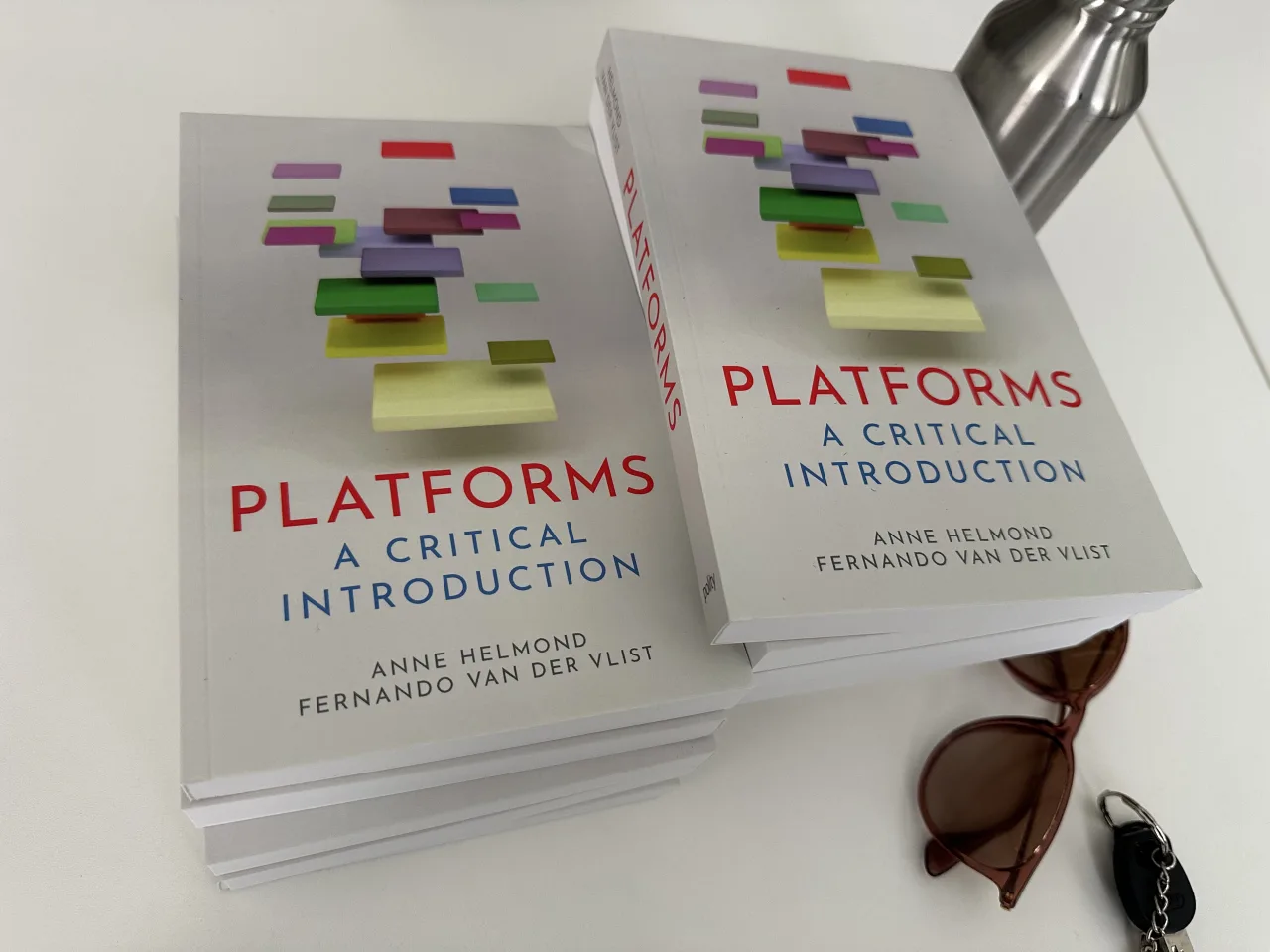
I got an early copy of Anne and Fernando’s Platforms: A Critical Introduction, which just came out on Polity, and which we’ll be co-organising a launch event for in London.
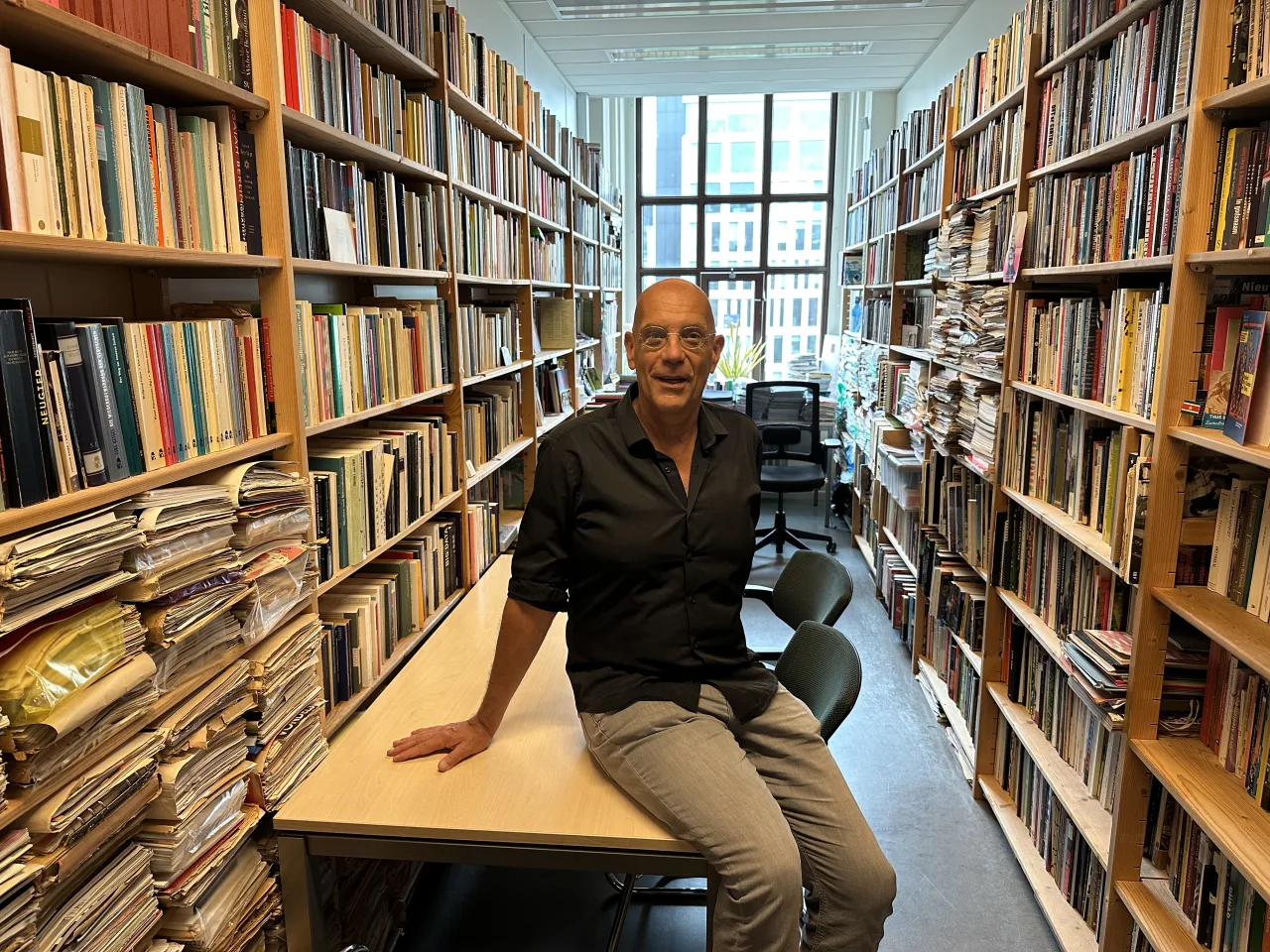
On Thursday I went to visit Geert Lovink to catch up and hear about the INC (Institute of Network Cultures)’s ExitFest, which took place the week before, as the INC transitions out of the university into becoming an autonomous organisation on 1st September 2026.
It was a special moment to spend some time browsing the incredible collection of books, papers and materials in Geert’s office before they are transferred to various archives, storage facilities and new spaces.
It is sad and hard to believe that INC will be leaving the university where it has had its home since 2004 (!) - but I look forward to seeing what it will turn into in its new era, and what we can all do to support it.
On Friday the posters were printed and we had presentations of projects on AI mini dramas, the “turn to violence” in AI fruit dramas, AI images of gender ambiguity, mapping forms and aesthetics of slopaganda, evidentiary slop and OSINT, how LLMs interpret satellite imagery, LLM source selection related to ongoing conflicts, anti-imperialist subcultures on YouTube (“TankieTube”), gen Z work imaginaries (“zoom work”), tradwife subcultures and more. A lot!
Then we had drinks to celebrate and catch up. Afterwards, some of us went to see experimental electronic artist upsammy and friends playing at garagenoord. ✨
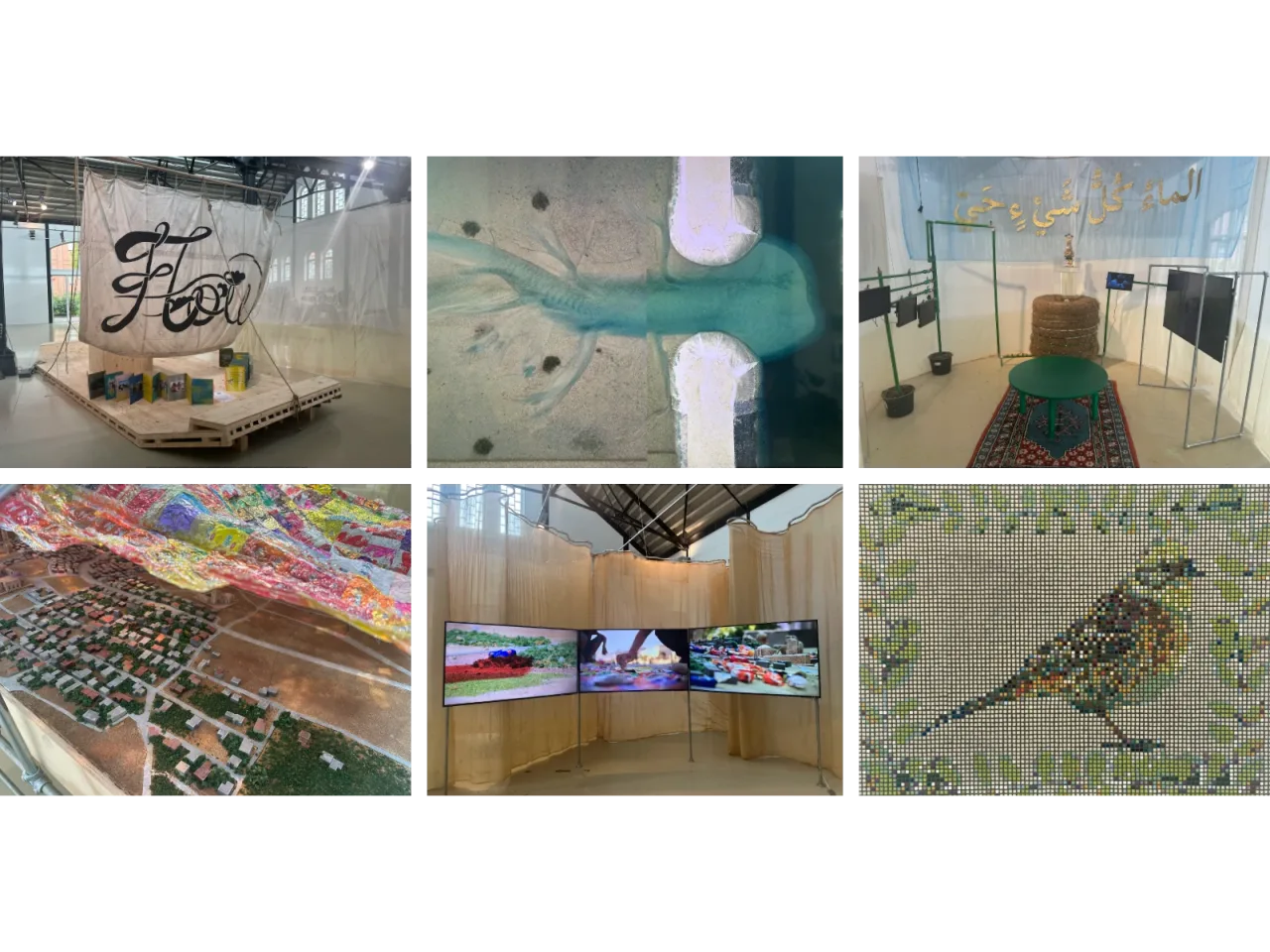
At the weekend I saw Wild Waters at Framer Framed, which explores water as “both a life-sustaining resource and an instrument of political power, tracing the ways hydraulic infrastructures have shaped landscapes, histories and systems of environmental exploitation across different geographies”. The catalogue can be found here (PDF).
I dropped by the third birthday party for the post-office community space with Idil Galip, who recently organised a screening of internet films there which included my short piece wilding.
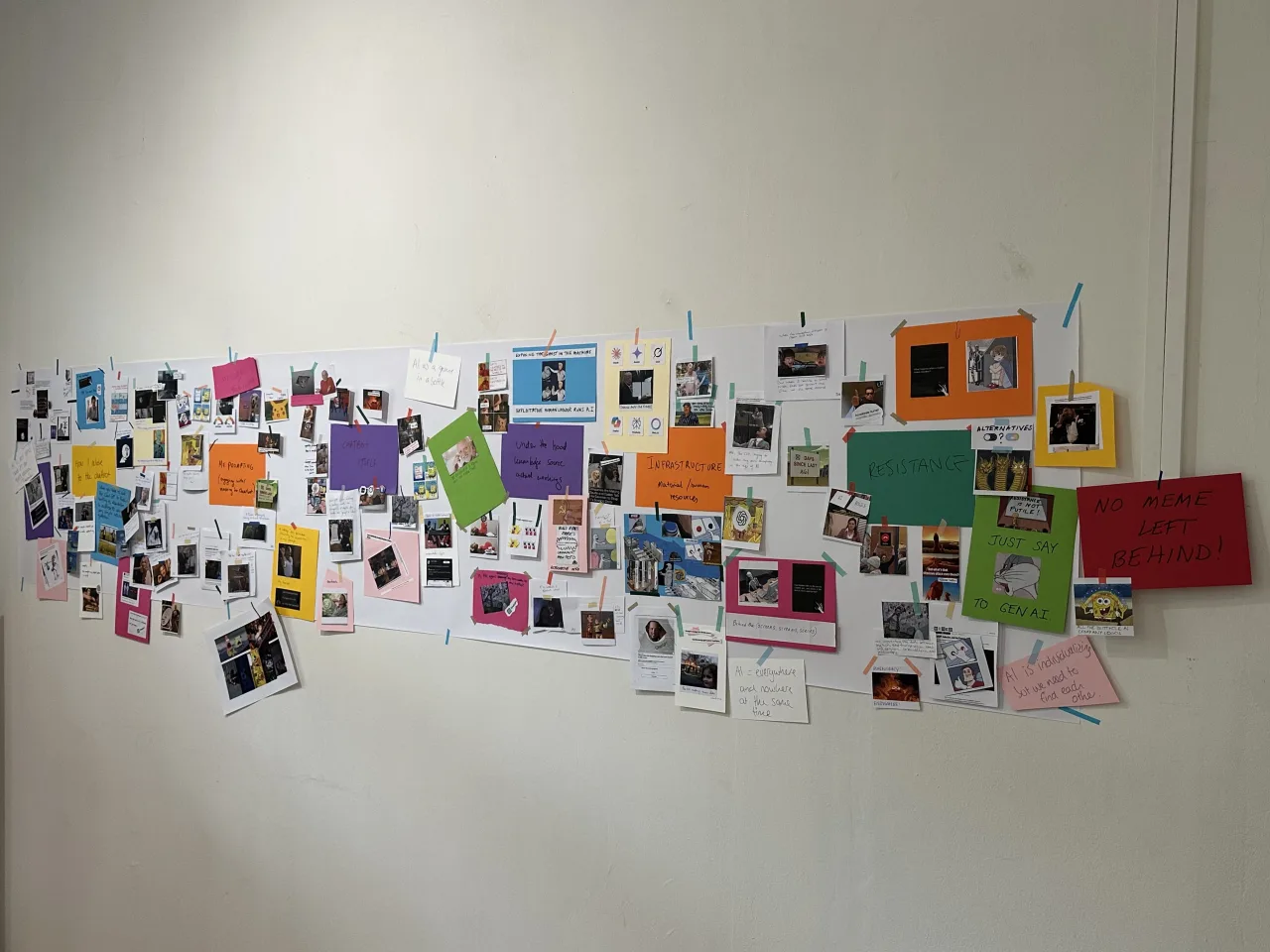
Finally, on the Monday there was the “where do chatbots live?” workshop co-facilitated by Natalia Stanusch, Inte Gloerich and the Slow AI project - where we made memes on how we relate to chatbots, what and where they are, associated material infrastructures and behind the scenes labour and different forms of resistance and alternatives.
It was good to be back in Amsterdam - and look forward to visiting again soon. 🪭🌌🌕✨